My microwave used to be the room nobody wanted to look inside of. Splattered marinara, exploded butter, a mysterious orange film from microwaved sweet potatoes — all baked on by months of heat. Then a friend in Cleveland showed me the lemon-and-water trick and I’ve never bought a microwave cleaner since. Five minutes, no harsh chemicals, no scrubbing, just steam doing all the work. Here’s exactly how I do it in my Columbus kitchen, plus three backup methods for when the gunk is truly heroic.
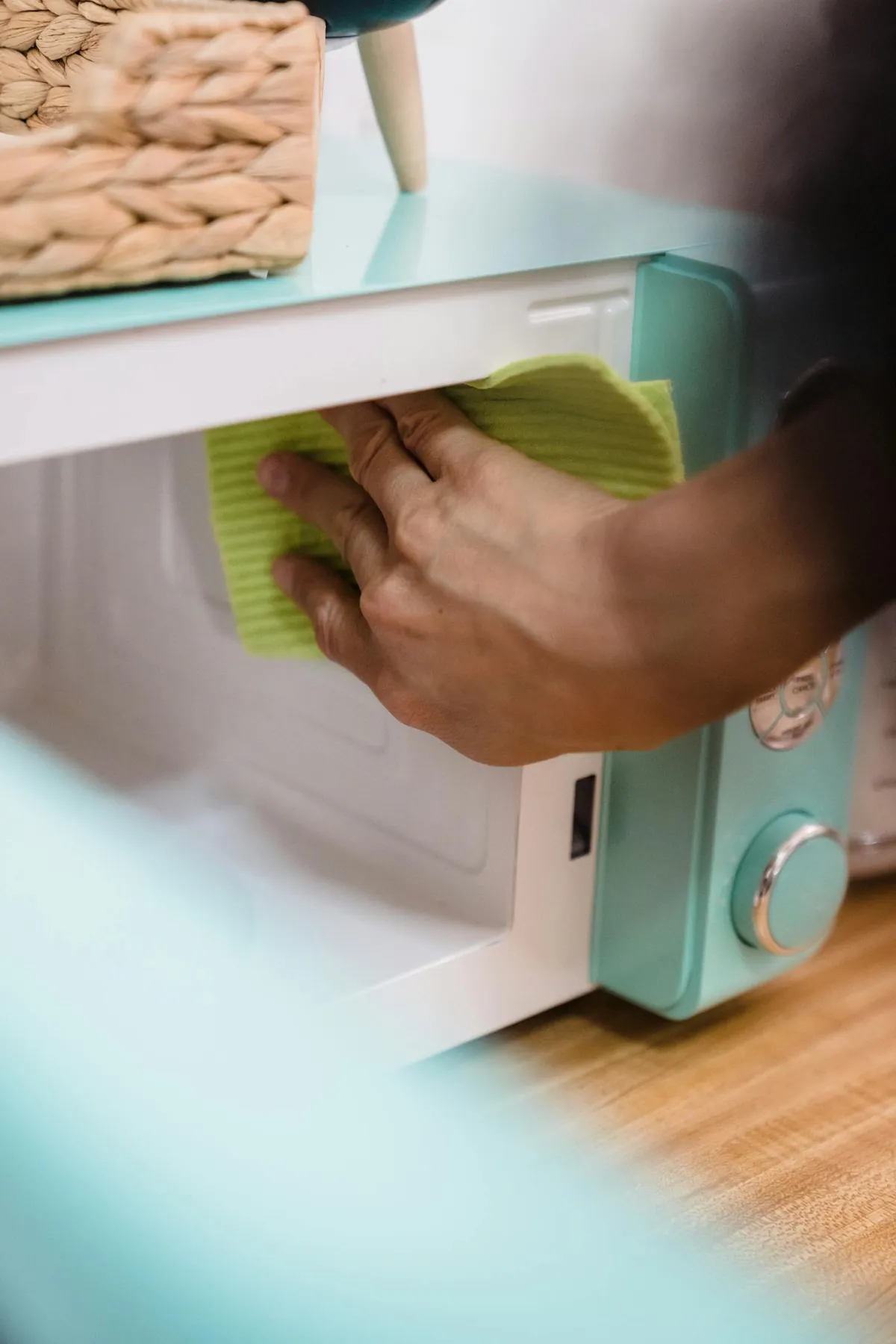
Why does the lemon and water method actually work?
Steam. When you microwave water on high, it boils and fills the chamber with steam, which softens the dried-on food. The lemon adds a mild acid that breaks down grease and a fresh scent that beats anything in a spray bottle.
This is just chemistry. No marketing, no magic. The same trick works in spa steam rooms and dry-cleaning equipment.
What’s the exact 5-minute method?
1. Fill a microwave-safe bowl with 1 cup of water.
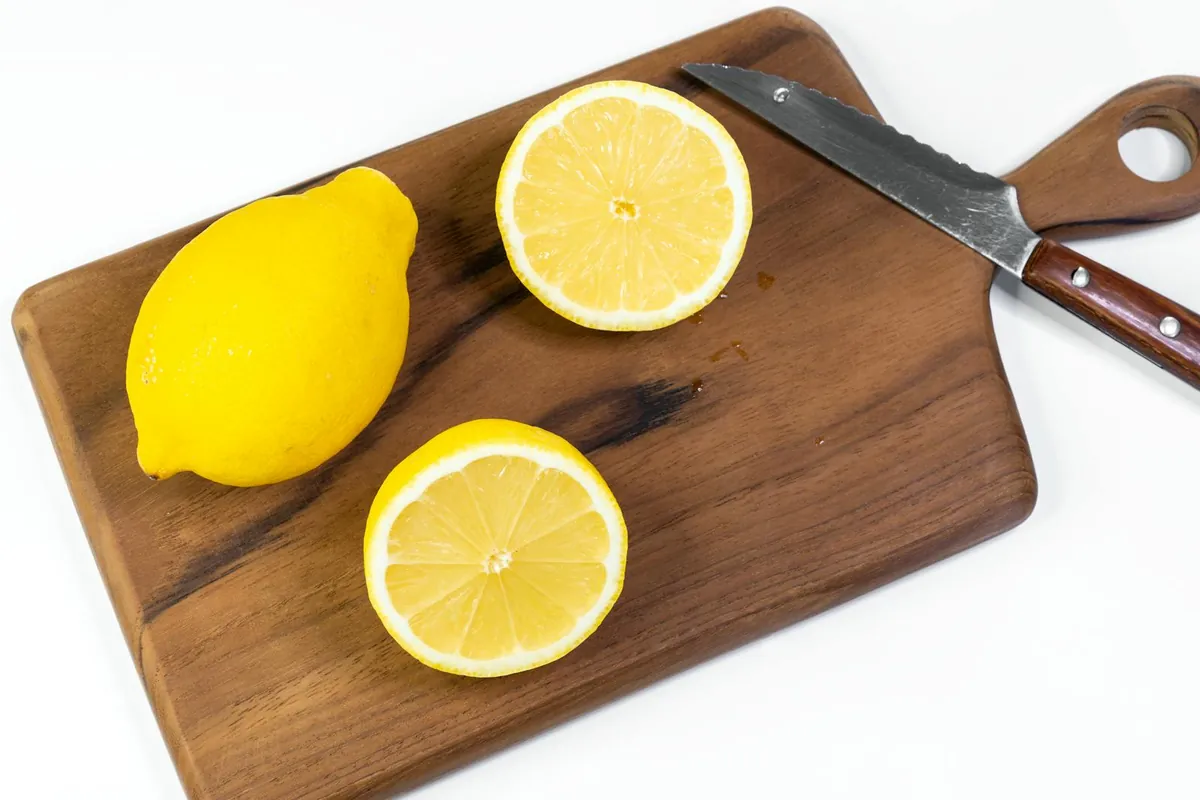
2. Cut one lemon in half, squeeze both halves into the water, then drop the rinds in too.
3. Microwave on HIGH for 4 minutes.
4. Leave the door closed for another 3 minutes (this is the part most people skip).
5. Open carefully — the bowl is hot. Wipe down all surfaces with a damp microfiber cloth.
The grime literally wipes off. No scrubbing, no chemicals, no smell except clean lemon.
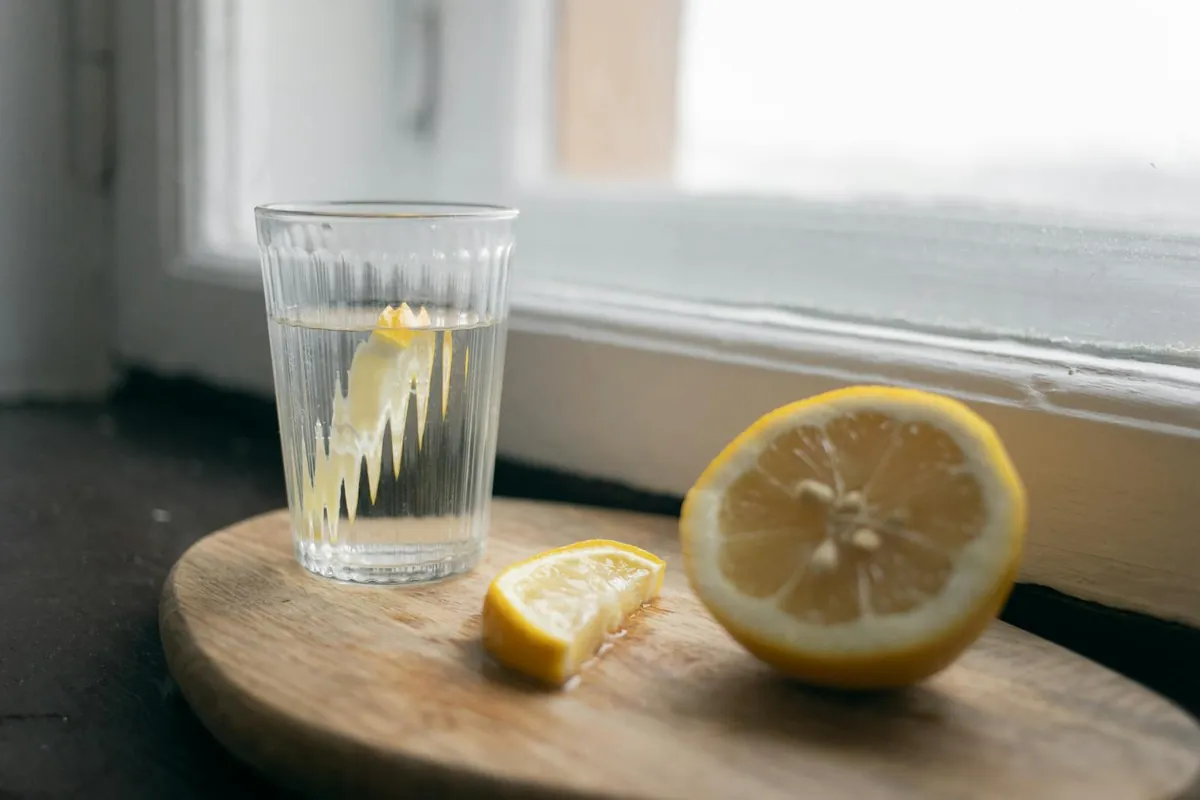
What if I don’t have a lemon?
White vinegar. Same method — 1 cup water + 2 tablespoons white vinegar. The smell during steaming is sharper but completely gone within an hour. Equally effective on grease and dried food.
I keep a Costco jug of white vinegar under my sink for exactly this. Bonus: same vinegar works on the inside of my dishwasher and on hard-water shower spots.
For really stubborn gunk — the baking soda method
For burned-on splatter (lookin’ at you, exploded chili), make a paste with 2 tablespoons baking soda + 1 tablespoon water. Spread on the burned spots, let sit for 5 minutes, then steam-clean with the lemon method on top.
The baking soda softens the carbon, the steam loosens it, and one wipe takes everything off. I’ve removed 8-month-old burned cheese this way.
What about the microwave’s exterior?
A 50/50 white vinegar and water spray in a Mrs. Meyer’s-style empty bottle. Spray, wipe with microfiber, done. For greasy finger marks above the handle, I add one drop of Dawn to the vinegar mix.
If your microwave has a stainless front, wipe with the grain, not against it.

How often should you actually clean a microwave?
The interior: once a month if you use it daily. The turntable plate and roller ring: every two weeks (these go in the dishwasher). The exterior: weekly with a quick vinegar-water wipe.
If something splatters, wipe it up immediately while the inside is still warm. Five seconds of effort beats five minutes later.
What products should you NEVER use?
- Bleach — leaves toxic residue and can damage interior coatings
- Abrasive scrubbers (steel wool, Magic Erasers) — scratches the interior
- Oven cleaner — way too harsh, not microwave-rated
- Glass cleaner with ammonia — fumes are dangerous in an enclosed cavity
- Anything with bleach + ammonia together — creates toxic gas
How do I clean microwave smells (fish, popcorn, garlic)?
The lemon method removes most. For lingering popcorn or fish smell, leave a bowl of activated charcoal or fresh coffee grounds in the closed microwave overnight. Both absorb odors better than baking soda for short-term smells.
Mrs. Meyer’s basil scent works as a final refresher — a quick spray on the door interior after wiping.
What if my microwave has burned spots that won’t come off?
Try a paste of baking soda and a tiny bit of hydrogen peroxide (not water). Apply, let sit 30 minutes, then steam clean. If it still won’t come off, it’s probably permanent staining of the interior coating — which doesn’t affect function or safety. See my stain removal guide — the same hydrogen peroxide + baking soda combo works on fabric too.
Why use natural cleaners instead of commercial ones?
Cost — a lemon is $0.50, a cup of water is free, vinegar is $3 for a giant jug. Commercial microwave cleaners run $4–6 per bottle and contain chemicals you really don’t want on the surfaces food touches.
Also: my kids and the dog (Bailey) hang out in the kitchen. The fewer fume-emitting bottles I have, the better.
FAQ
How long does the lemon scent last after cleaning?
About 2–4 hours in the closed microwave, faint trace for the next day. Not a permanent air freshener but pleasant in the moment.
Can I use this method on a convection microwave?
Yes, but only when in microwave mode, not convection. The steam method is microwave-only.
Does the lemon method work on a really filthy microwave?
Yes, with one tweak: do it twice. First pass softens the gunk, then wipe most of it off. Second pass takes off whatever’s still stuck. For truly fossilized splatter, add the baking soda paste step.
Can I just put the turntable in the dishwasher?
Most glass turntables are dishwasher safe — check the underside for a “DW safe” symbol. The roller ring underneath is usually plastic and also dishwasher safe.
Is microwave steam safe to inhale?
The steam itself, yes. Just don’t open the door immediately when the timer ends — the burst of hot steam can mildly scald your face. Wait 30 seconds.
Summing Up!
Five minutes, one lemon, one cup of water — and the dirtiest microwave in the house comes clean without a single chemical product. I haven’t bought a microwave cleaner in three years.
The same lemon + vinegar + baking soda trio handles 80% of natural household cleaning. For more uses, see my kitchen hacks and stain removal guide.
