I bought my first burr grinder in 2022 and the difference in my morning coffee was so dramatic I felt like an idiot for not doing it 10 years earlier. A bad grinder + great machine makes mediocre coffee. A great grinder + okay machine makes great coffee. The grinder matters more than the brewer.
Under $100 is a tight budget for burr grinders. Here’s what actually works.
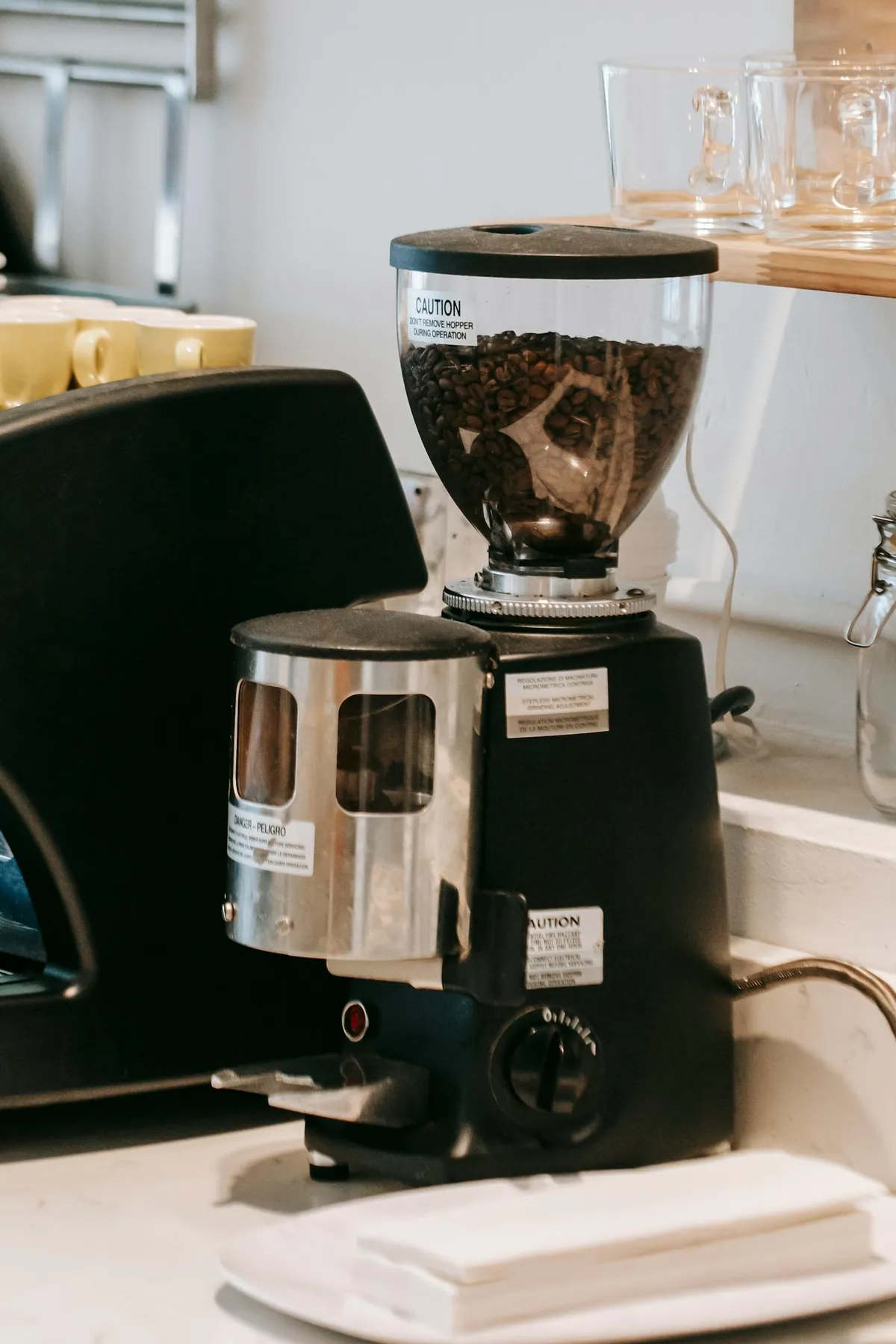
Why blade grinders ruin coffee
Blade grinders chop beans randomly – some particles become powder, some stay almost whole. This unevenness means parts of your grounds over-extract (bitter) while parts under-extract (sour). The result is muddled, harsh coffee.
Burr grinders crush beans between two abrasive surfaces, producing uniform particle size. This is the single most important factor in good coffee. If your budget is $20, save up to $60. Don’t buy a blade grinder.
Capresso Infinity Plus ($109) – best value electric
The Capresso Infinity hits $109 most days at Amazon (sometimes $89 on sale). 16 grind settings ranging from extra-fine (espresso) to coarse (French press). The conical burr is steel, not ceramic, which means consistent particle size and a long lifespan.
I’ve used the Infinity for daily grinding for 18 months without issues. It’s a touch noisy (75 dB), but it grinds 8oz beans in under a minute and the grind quality is genuinely impressive at this price.
Pros:
- 16 grind settings cover all brew methods
- Heavy housing dampens motor vibration
- Removable burrs for cleaning (most cheap grinders don’t allow this)
- Quiet for a steel burr grinder
Cons:
- Static charges grounds – tap the chamber before opening
- Hopper is small (4oz capacity)
- Inconsistent at the finest espresso settings
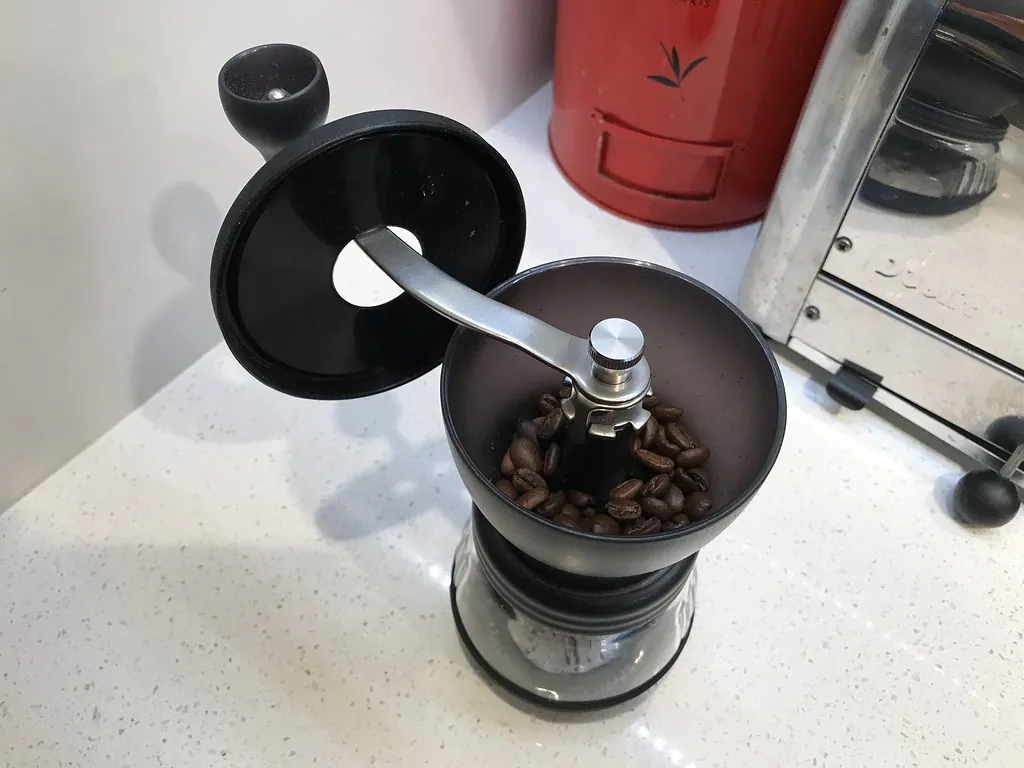
Hario Skerton Pro ($65) – best manual
If you’re a pour-over or French press drinker willing to put in 2 minutes of cranking each morning, the Hario Skerton Pro is incredible. Ceramic burrs that won’t dull. Grind setting adjustment that’s actually consistent (the original Skerton was famously imprecise; the Pro fixed this).
It takes 90-120 seconds to grind enough for two cups. Yes, that’s a workout in the morning. Yes, it’s worth it for the grind quality. The Skerton Pro produces a grind that rivals $200+ electric grinders.
Cuisinart DBM-8 Supreme ($59) – the budget pick
At $59, the Cuisinart DBM-8 is the cheapest burr grinder I’d actually recommend. 18 grind settings, holds 8oz beans, basic but functional. The grind isn’t as uniform as the Capresso, but it’s miles better than any blade grinder.
Buy this if: you only drink drip coffee, you want set-and-forget convenience, and your budget is strictly $60 or under. Don’t buy it for espresso – too inconsistent.
Baratza Encore ($169) – the upgrade pick
The Baratza Encore is the standard for entry-level specialty coffee grinders. At $169, it’s over the $100 budget, but I’m including it because it’s the obvious upgrade target. 40 grind settings, M2 conical burrs, repairable (Baratza sells every replacement part).
If you can stretch the budget by $70, this is the smart-money move. The Encore lasts 10+ years; the cheaper grinders last 3-5.
Coffee grinder comparison table
| Grinder | Price | Burr type | Best for |
|---|---|---|---|
| Capresso Infinity | $109 | Steel conical | Daily drip/pour-over |
| Hario Skerton Pro | $65 | Ceramic conical | Single cup pour-over |
| Cuisinart DBM-8 | $59 | Steel flat | Drip coffee only |
| Baratza Encore | $169 | Steel conical | Long-term investment |
| 1Zpresso JX-Pro | $159 | Steel manual | Espresso manual |
Conical vs flat burrs – does it matter?
Slightly. Conical burrs produce a wider range of particle sizes (some say this adds complexity to the cup); flat burrs produce more uniform particles (cleaner extraction). At the under-$100 tier, you’re not going to taste the difference. Both work fine.
What matters more: burr material (steel lasts longer than ceramic for high-volume use; ceramic stays sharper longer but breaks on accidental rocks), motor power (high-end grinders run slower for less heat buildup), and grind consistency.
Manual vs electric – which should you buy?
Electric if: you drink 2+ cups daily, you want speed, you don’t want a workout in the morning.
Manual if: you’re a coffee hobbyist, you make 1 cup at a time, you travel and want a grinder in your luggage, you want better grind quality per dollar.
Manual grinders give you significantly better grind quality at the same price point – because all the money goes into the burrs instead of a motor. The trade-off is 2 minutes of cranking per cup.
Coffee grinder maintenance basics
- Clean burrs monthly – rice (cheap option) or Urnex Grindz tablets ($14) absorb coffee oils
- Brush out grounds after each use – a small paint brush works perfectly
- Don’t grind oily beans in cheap grinders – the oil clogs burrs
- Replace burrs when grind gets uneven (typically 5-7 years for daily use)
Which grinder should you buy?
Daily drinker, electric, $109 budget: Capresso Infinity.
Coffee hobbyist, manual, $65 budget: Hario Skerton Pro.
Budget under $60, drip only: Cuisinart DBM-8.
Can stretch budget: Baratza Encore at $169.
For more coffee gear, see my best coffee makers under $200. Also check my picks for toaster ovens and egg cookers.
Frequently Asked Questions
Is a burr grinder really better than a blade grinder?
Yes, dramatically. Blade grinders chop randomly producing uneven grounds. Burrs crush beans uniformly. The difference is taste is immediate – cleaner, smoother coffee with proper extraction. Skip blade grinders entirely.
How often should I clean my coffee grinder?
Brush out grounds weekly. Deep clean burrs monthly with rice or Urnex tablets. Replace burrs every 5-7 years for daily users. Oily coffee beans (dark roasts) require more frequent cleaning because they gum up the burrs.
Can you grind coffee in a food processor?
Technically yes, with poor results – food processors are blade grinders. Same uneven particle size problem as cheap blade grinders. Use a $59 burr grinder instead.
Why is my ground coffee so static?
Cheap grinders generate static during grinding, causing grounds to cling to the chamber and fly out when you open it. Spray a few drops of water on the beans before grinding (RDT – “Ross Droplet Technique”) – eliminates 90% of static.
