Peach season in Ohio means fruit flies. Every single August, despite my best efforts, the kitchen turns into a fruit fly biosphere. This summer I tested 8 different removal methods over 2 weeks of infestation to figure out what actually works in hours, not days.
Here’s the verdict – including the trap that caught 47 flies in one afternoon.
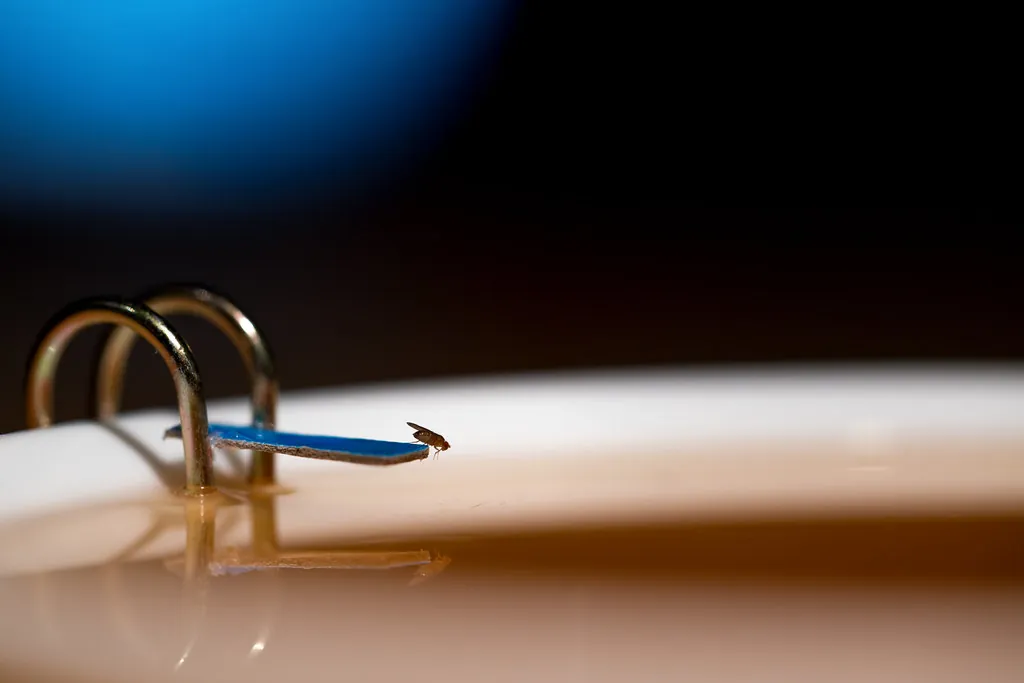
Why are fruit flies in my kitchen?
Three sources: overripe fruit, dirty kitchen drains, and the garbage disposal. Female fruit flies lay up to 500 eggs in any moist organic matter. Eggs hatch in 24-30 hours. In a warm kitchen, you go from 2 fruit flies to 200 in a week.
Killing adult flies feels productive but doesn’t solve the problem. You also need to find and eliminate the breeding source.
Method 1: Apple cider vinegar trap (winner)
This is the gold standard. Here’s the recipe:
- Pour 1/2 cup apple cider vinegar into a mason jar or bowl
- Add 2-3 drops of Dawn dish soap (the soap breaks surface tension so flies sink)
- Cover with plastic wrap, rubber band around the edge
- Poke 8-10 small holes in the plastic (size of a toothpick)
- Place near the fruit fly hotspot
I caught 47 flies in the first 4 hours, 60+ overnight. The flies are attracted to the vinegar smell, crawl in through the holes, can’t figure out how to leave, fall into the liquid, and the soap drowns them.
Replace every 24-48 hours when full. This method works because fruit flies physically can’t fly straight up – once they’re inside, they can’t escape.
Method 2: Red wine trap
If you have leftover red wine, this works as well as apple cider vinegar. Same procedure – wine + dish soap + plastic wrap with holes. Some people swear wine works faster (the sugar is more attractive). I didn’t see a meaningful difference.
Method 3: Banana paper cone trap
Old-school method. Put a ripe banana piece in a jar, roll up a piece of paper into a cone, place cone in jar with the wide end up. Flies fly down into the jar but can’t navigate back up through the narrow cone tip.
Works but slower than the vinegar trap. Better for ongoing low-level fly populations than active swarms.
Method 4: Pour boiling water down the drain
Fruit flies breed in the gunk inside your kitchen drain. Pouring boiling water down the drain kills the eggs and larvae living in there. Do this in BOTH the main sink drain and the garbage disposal.
For extra firepower: 1 cup baking soda + 1 cup white vinegar down the drain (let foam for 10 minutes), then chase with boiling water.
Method 5: Clean the garbage disposal
Garbage disposals are fruit fly nurseries. Grind ice cubes with rock salt or coarse kosher salt – the abrasion scrubs the inside of the disposal. Then grind a lemon for fresh scent.
Better: pull out the rubber splash guard at the top of the disposal and scrub the underside with hot water and dish soap. The black gunk you’ll find is fly heaven.
Method 6: Sticky fly tape (cheap and effective)
Hang yellow sticky fly tape ($6 for 8 strips on Amazon) near the source. Looks ugly, works well. Replace every 3-4 days. Don’t hang them where pets can reach – dogs love to eat the tape and then… yeah.
Method 7: Diluted bleach down the drain (last resort)
If boiling water and vinegar haven’t worked, dilute 1 cup bleach in 1 gallon water and pour slowly down the drain at night. Don’t use this if you have a septic tank (kills the bacteria). Don’t combine with ammonia-based cleaners.
Method 8: Essential oil spray (does NOT work)
I tested peppermint and eucalyptus oil sprays because the internet swore they worked. They didn’t. Maybe they repel flies for 20 minutes; they don’t kill them. Save your money.
Method comparison table
| Method | Cost | Speed | Effectiveness |
|---|---|---|---|
| ACV + dish soap trap | $0 | 4-12 hours | 9/10 |
| Red wine trap | $0-$5 | 4-12 hours | 8/10 |
| Banana paper cone | $0 | 1-2 days | 6/10 |
| Boiling water drain | $0 | Daily x 1 week | 8/10 (breeding only) |
| Sticky fly tape | $6/pack | 3-7 days | 7/10 |
| Bleach drain (last resort) | $3 | 1-2 days | 9/10 |
| Essential oil spray | $12 | Doesn’t work | 1/10 |
Preventing future fruit fly infestations
- Refrigerate ripe fruit – peaches, bananas, tomatoes go in the fridge once they’re ripe
- Take out the trash daily in summer – even if it’s not full
- Rinse recyclables before putting them in the bin – soda cans and wine bottles attract flies
- Clean drains weekly – hot water + baking soda + vinegar
- Wipe up spills immediately – juice, beer, kombucha leave residue flies find
- Empty fruit bowls overnight – never leave ripe fruit on the counter overnight in summer
- Compost bin lid sealed – if your compost bin isn’t sealed, it’s a fly nursery
- Check houseplants – fungus gnats look similar to fruit flies; they breed in moist potting soil
Fruit fly vs fungus gnat – how to tell
Fruit flies are tan/brown with red eyes, drawn to fruit and drains. Fungus gnats are dark gray/black, drawn to potted plants and damp soil. If your “fruit flies” are hanging out around your fiddle leaf fig instead of the kitchen, they’re probably fungus gnats. Different removal: let plant soil dry out completely between waterings, top-dress with sand.
For more cleaning guides, see my glass stovetop cleaning, remove burnt smell from house, and pet stain removal.
Frequently Asked Questions
How long does it take to get rid of fruit flies?
With aggressive trapping + drain cleaning, 3-5 days for the bulk of an infestation. The lifecycle of a fruit fly is 8-10 days, so you need to interrupt one full cycle for the population to crash. Keep traps running 2 weeks total.
Why won’t my fruit flies go away?
You haven’t eliminated the breeding source. Check: kitchen drain (most common), garbage disposal, potted plant soil, compost bin, recycling bin (unrinsed wine bottles), banana peel in trash. Until the source is gone, traps just catch adults faster than they can be replaced.
Do fruit fly sprays work?
Chemical sprays kill adults on contact but don’t address eggs or larvae. You’ll see immediate results, then the infestation returns in 24-48 hours. Stick with traps and source elimination.
Is it safe to use a fruit fly trap near food?
Yes – apple cider vinegar + dish soap is non-toxic. Keep the trap on the counter near the fruit; don’t worry about food contamination. Just empty and refresh the trap when it gets full of flies.
