My glass cooktop has had four major spaghetti sauce eruptions, two milk boil-overs, and a memorable Christmas Eve where my husband tried to “deglaze” with red wine and forgot the pan was on. Six years later, the glass still looks new because I figured out what cleans it safely.
Here’s what works, what doesn’t, and what destroys the finish.

Why glass cooktops scratch (and how to prevent it)
The glass is ceramic – tougher than regular glass but still scratchable. Three things cause permanent damage:
- Steel wool, scouring pads (anything labeled abrasive)
- Magic Eraser – the melamine foam is technically a fine abrasive
- Sliding heavy pans across the surface (especially cast iron)
- Sugar that drips onto the surface and gets cooked at high heat – removes faster than you’d think
Method 1: Cerama Bryte (the winner)
Cerama Bryte is a non-abrasive cream cleanser specifically formulated for ceramic and glass cooktops. $9.99 for a 18oz bottle that lasts 6+ months. Apply a quarter-sized dollop, rub in circles with a damp microfiber cloth or the included scrubber pad, wipe clean with water.
Works on light stains in 30 seconds, moderate burnt-on in 2-3 minutes with light pressure. Doesn’t scratch, leaves a polished finish, smells faintly of citrus.
I bought my first bottle in 2018 and refuse to use anything else for routine cleaning.
Method 2: Baking soda paste (the budget winner)
For occasional stains and people who don’t want a dedicated product:
- Make sure the stovetop is COOL
- Sprinkle baking soda generously over the stain
- Soak a clean towel in hot water and wring lightly
- Drape the wet towel over the baking soda
- Wait 15-30 minutes
- Wipe with the towel, then dry with a clean cloth
Works for moderate burnt-on food. The wet towel creates a poultice that softens the food while the baking soda gently abrades it. Cheaper than Cerama Bryte but takes longer and requires planning.
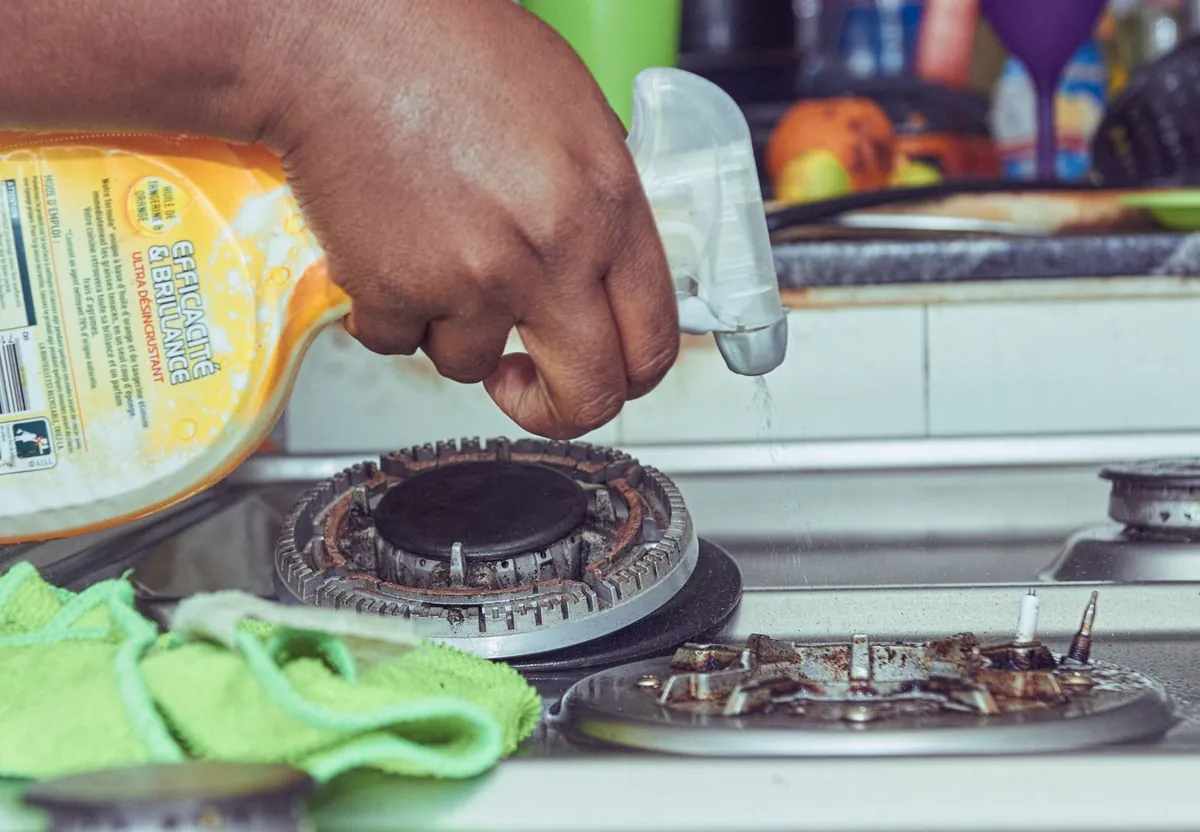
Method 3: Bar Keepers Friend (works with caution)
Bar Keepers Friend is an oxalic acid cleanser – more aggressive than baking soda. It WILL clean a glass stovetop, but you need to be careful: use the soft cream version (NOT the powder), apply with a damp soft cloth (not the green scrubber side), and use light pressure.
If you scrub hard with BKF, you can dull the finish over time. I keep a small can for occasional use but Cerama Bryte is my daily.
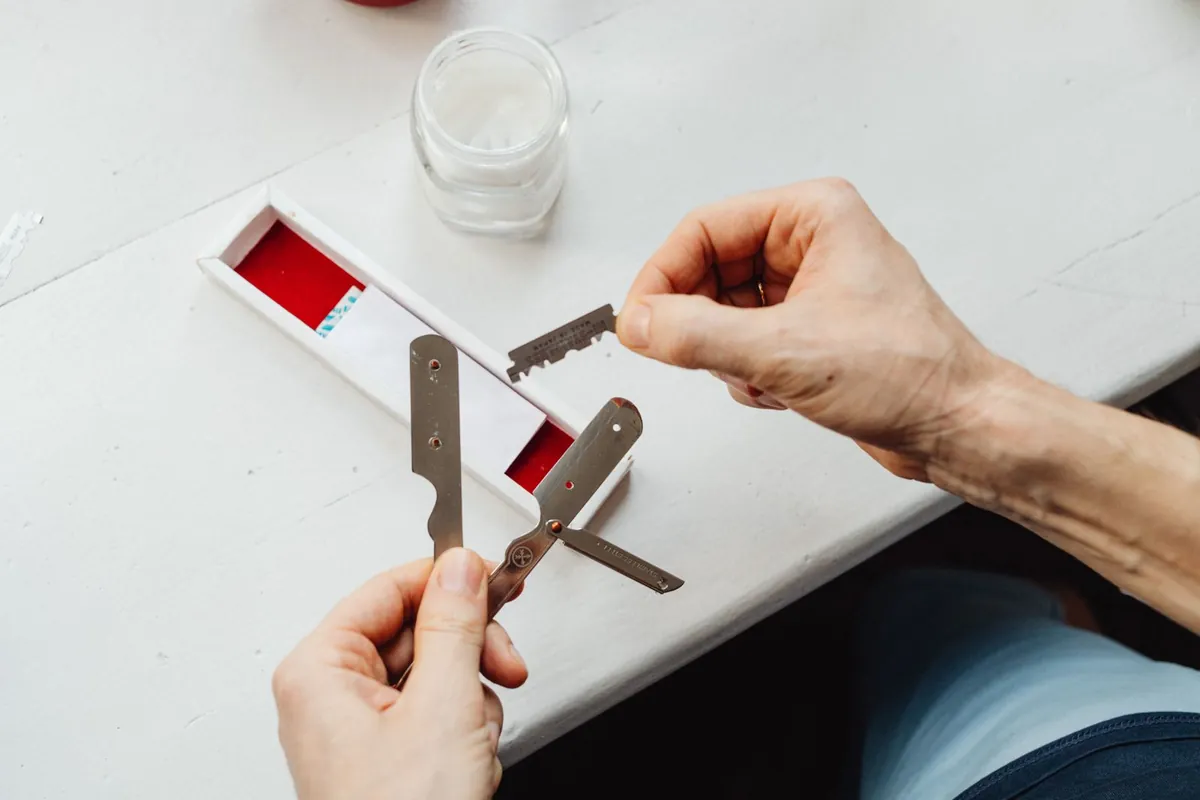
Method 4: Razor blade scraper (the secret weapon)
Hardware store razor blade scrapers ($6) are the secret to removing baked-on food from glass stovetops. Hold at a 30-degree angle and gently scrape – the blade lifts off carbonized food without scratching the glass (the angle is what makes it safe; flat against the surface would damage it).
This is the one tool that beats all the cleaners for major spills. Always scrape COLD, never hot.
What NOT to use on a glass stovetop
- Magic Eraser – melamine is abrasive. Will dull the surface in 2-3 uses.
- Steel wool / SOS pads – leaves scratches you can see in raking light.
- Bleach – chemically damages the glass coating.
- Ammonia (Windex) – leaves streaks, doesn’t cut grease.
- Dish soap directly – leaves a film that’s hard to remove.
- Citrus oil cleaners – can leave a sticky residue.
Daily and weekly glass stovetop maintenance
| Frequency | Action | Product |
|---|---|---|
| After each use | Wipe down with damp microfiber | Water only |
| Weekly | Full clean with Cerama Bryte | Cerama Bryte cream |
| Monthly | Polish | Cerama Bryte conditioner |
| As needed | Scrape baked-on food | Razor scraper |
How to remove burnt sugar (the worst stain)
Burnt sugar on a hot glass cooktop is the most damaging stain because the sugar can pit the surface. If sugar boils over while the surface is hot:
- DON’T let it cool – sugar bonds permanently as it cools
- Turn off the burner, wait until the sugar is no longer bubbling but still warm
- Use the razor scraper to lift the sugar while it’s pliable
- Once cool, finish with Cerama Bryte
If you missed the warm window, you may have to live with light pitting in that spot. Prevention is the only real cure.
Cookware that scratches glass cooktops
- Cast iron – rough bottoms scratch heavily. Some brands now sell smooth-bottomed cast iron for glass tops.
- Old enameled cookware – chips on the bottom act as sandpaper.
- Cookware with food residue – always inspect the bottom before placing on glass.
- Sliding pans – lift, don’t slide.
Glass cooktop vs induction – quick reality check
If you’re considering replacing your glass cooktop, induction (which also has a glass surface) cleans the same way. Induction has the advantage of cooler surface temperature – spills don’t bake on instantly. But the cleaning method is identical.
For more cleaning guides, see my front-load washer mildew fix, remove burnt smell from house, and fruit fly removal.
Frequently Asked Questions
What’s the best cleaner for a glass stovetop?
Cerama Bryte cream cleanser. Specifically formulated for ceramic cooktops, non-abrasive, available at any home store for under $10. A single bottle lasts most households 6+ months with weekly cleaning.
Can I use Windex on a glass cooktop?
No – it streaks and doesn’t cut grease. Glass cooktops need a dedicated cream cleanser, not a window cleaner. The “glass” in cooktop is a different material than window glass.
How do I remove water spots from a glass stovetop?
Wipe with a microfiber cloth and a tiny amount of distilled white vinegar. Buff dry immediately. The Cerama Bryte conditioner step in the monthly routine also prevents future water spots.
My glass cooktop has rainbow marks – how do I remove them?
Those are usually from mineral deposits in tap water or aluminum from cookware bottoms. White vinegar removes mineral deposits. For aluminum stains, Cerama Bryte typically removes them with gentle pressure. Some marks become permanent if left for months.
