I learned to garden in Ohio, which means I learned the hard way that “pretty plant from the garden center” doesn’t mean “will survive Ohio winters.” After killing about $400 worth of plants in my first 3 years, I figured out what actually comes back year after year.
These 10 plants are the ones I trust completely in zones 3-6. They survive -20F nights, ice storms, and the indignity of being mowed over by my husband at least once each.
What does “USDA zone” mean?
The USDA Plant Hardiness Zone Map divides North America into 13 zones based on average minimum winter temperature. Zone 3 is the coldest (-40 to -30F), zone 13 is the warmest. Most of the northern US is zones 3-6.
When buying plants, the tag tells you which zones it survives in. If you’re in zone 5 (Columbus, OH; most of New England; northern California), buy plants rated for zones 3-5 to ensure they’ll survive your worst winter.
1. Hostas – the bulletproof shade plant
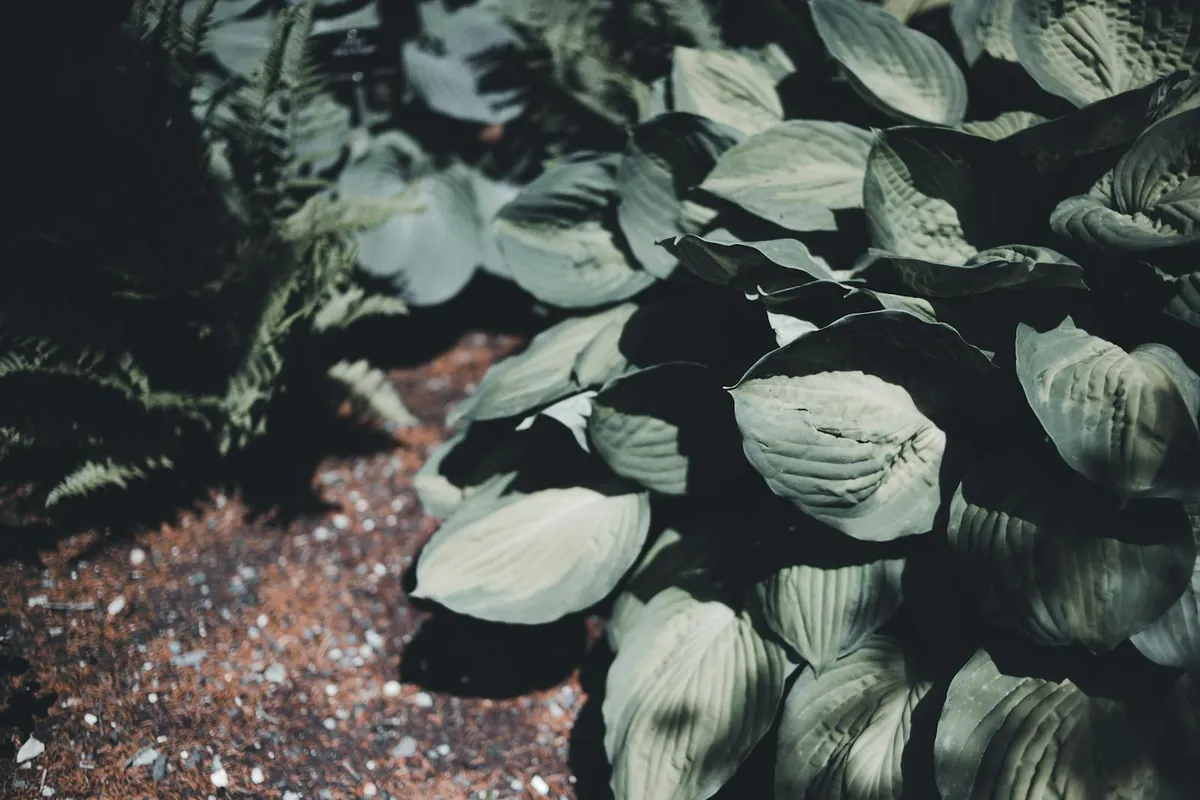
Zones 3-9. Hostas are the perennial that even brown-thumb gardeners can’t kill. They thrive in shade where most plants struggle, come back larger every year, and look great from spring through fall. The flowers are okay; the leaves are the show.
Varieties to try: ‘Sum and Substance’ (huge gold leaves, 3 feet tall), ‘Patriot’ (white-edged), ‘Halcyon’ (blue-gray). Deer will eat them – use Liquid Fence spray if you have a deer problem.
2. Peonies – the long-lived classic
Zones 3-8. Peonies are the gift you plant for your grandchildren. They take 2-3 years to establish but then live 50+ years. Massive blooms in May-June in white, pink, red, coral.
Plant in full sun, give them space (3 feet apart), don’t plant the tubers too deep (only 1-2 inches below soil), and they’ll outlive you. My neighbor has peonies from her grandmother’s 1957 wedding – still blooming.
3. Hellebores – blooms while there’s snow on the ground
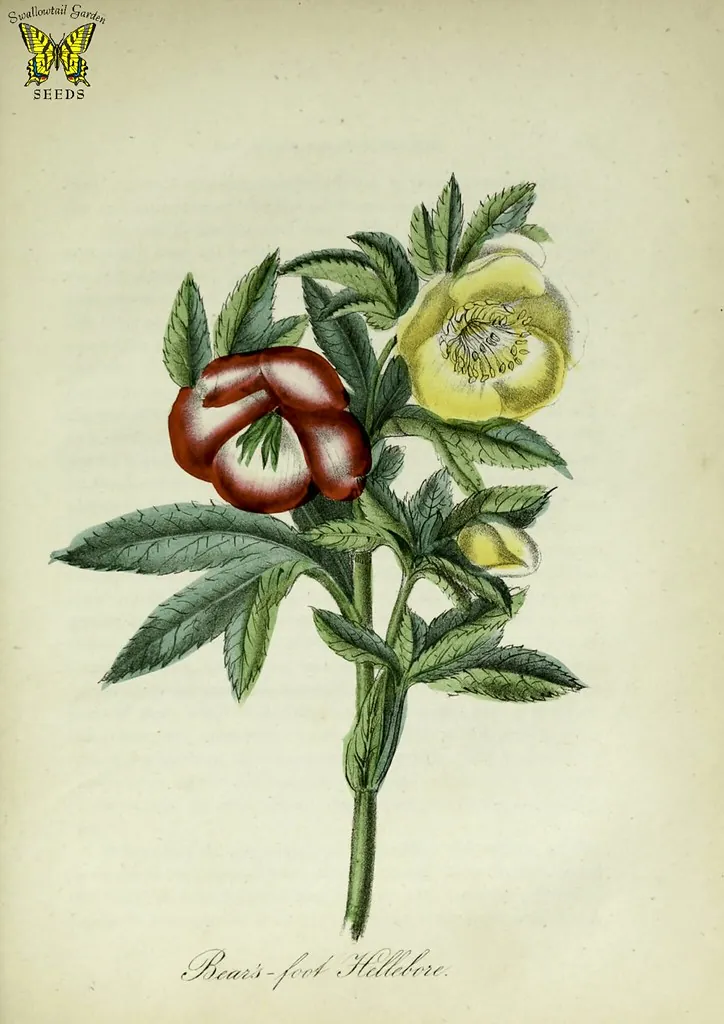
Zones 4-9. Also called “Lenten Rose,” hellebores bloom in February-March when literally nothing else is in flower. The blooms are nodding and pink/white/burgundy. The foliage is evergreen.
If you want winter interest, this is the plant. I have a cluster near my front door and the first February bloom every year feels like a tiny miracle.
4. Russian sage
Zones 4-9. Tall (4 feet), airy purple flowers from July through frost. Drought tolerant once established. Pollinators love it – I’ve counted 20+ bees at a time. Great backdrop for shorter perennials.
5. Coneflowers (Echinacea)
Zones 3-9. Classic purple cone-shaped flowers from July to frost. Drought tolerant, deer resistant (mostly), attracts butterflies. The seedheads stay through winter and feed goldfinches.
Newer varieties come in coral, white, yellow, and red. Stick with the classic purple if you want guaranteed performance; the fancy colored varieties are less reliable in extreme winters.
6. Black-eyed Susans (Rudbeckia)
Zones 3-9. Bright yellow daisy-like flowers, July through October. Spreads gradually so you get more every year. Easy to divide and share with neighbors.
Pair with purple coneflowers for the classic American cottage-garden look.
7. Sedum (Stonecrop)
Zones 3-9. Succulent perennial that goes from green spring foliage to pink/red fall blooms. ‘Autumn Joy’ is the classic variety – 2 feet tall, blooms September-October.
Drought-tolerant, deer-proof, slug-proof. Honestly impossible to kill. Plant in full sun, ignore.
8. Ornamental grasses
Zones 4-9. Karl Foerster Feather Reed Grass is the bulletproof variety – upright, 4 feet tall, tan plumes in summer, lasts through winter. Adds movement and structure that flowers can’t.
Don’t cut down until March – the winter silhouettes are beautiful and protect the crown from cold.
9. Panicle hydrangeas (Hydrangea paniculata)
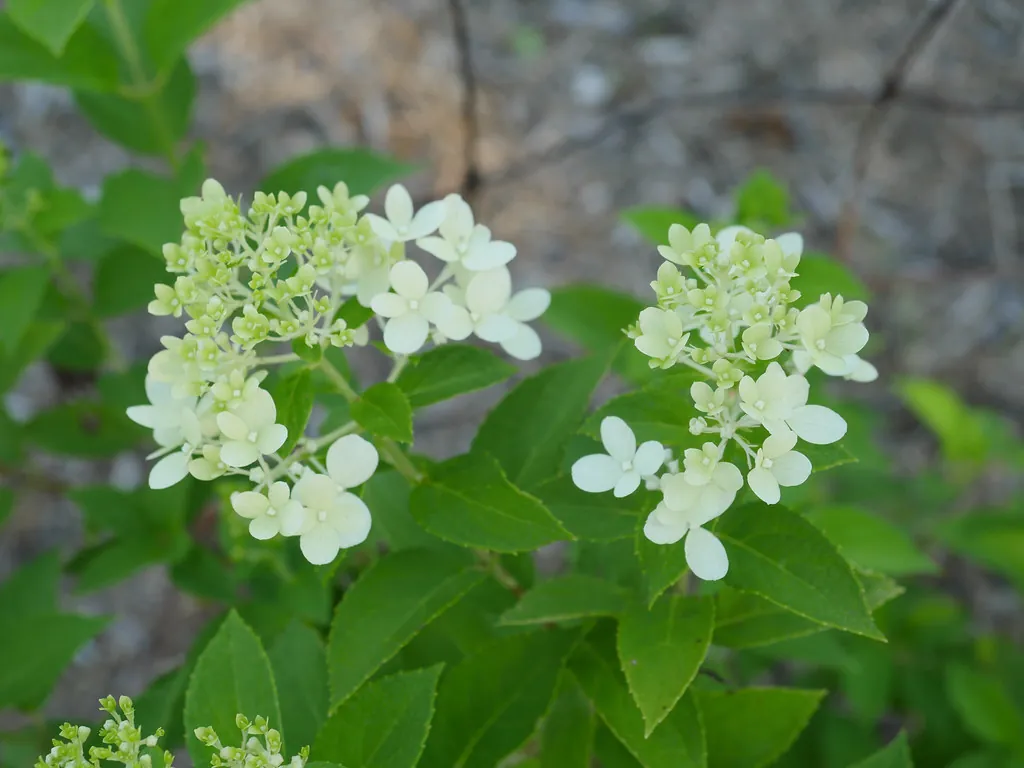
Zones 3-8. NOT the same as the popular blue/pink mophead hydrangeas (which struggle in cold zones). Paniculata varieties like ‘Limelight’ and ‘Vanilla Strawberry’ bloom on new wood and survive -40F winters.
Cone-shaped white flowers in July that age to pink. Cut back to 18 inches each spring for maximum blooms.
10. Evergreens (boxwood, yew, juniper)
Every cold-climate garden needs structural evergreens. They provide winter interest when everything else is dead. Options:
- Boxwood (zones 5-8) – classic round shrub, takes pruning well
- Yew (zones 4-7) – dark green, deer-resistant
- Juniper (zones 3-9) – drought tolerant, various forms (upright, spreading, creeping)
- Arborvitae (zones 3-7) – tall narrow privacy screen
Cold-hardy plant comparison table
| Plant | Zones | Light | Bloom time |
|---|---|---|---|
| Hosta | 3-9 | Shade | July (foliage year-round) |
| Peony | 3-8 | Full sun | May-June |
| Hellebore | 4-9 | Shade | Feb-April |
| Russian Sage | 4-9 | Full sun | July-Oct |
| Coneflower | 3-9 | Full sun | July-Oct |
| Black-eyed Susan | 3-9 | Full sun | July-Oct |
| Sedum ‘Autumn Joy’ | 3-9 | Full sun | Sept-Oct |
| Karl Foerster Grass | 4-9 | Full sun | Summer plumes |
| Panicle Hydrangea | 3-8 | Sun/part sun | July-Sept |
| Boxwood | 5-8 | Sun/part sun | Evergreen |
Fall planting is better than spring for perennials
Counterintuitive but true: most perennials establish better when planted in September-October. The roots grow through fall without competing demands from leaves. By spring, the plant is ready to take off.
Don’t fertilize new fall plantings – it encourages soft growth that winterkills. Mulch heavily (3-4 inches) after the first hard frost to insulate the root zone.
How to protect plants in extreme cold
- Mulch deeply – 3-4 inches of shredded leaves or wood chips over the root zone
- Water thoroughly before the ground freezes – dehydrated plants die in cold worse than well-watered ones
- Don’t cut down spent foliage until spring – it insulates the crown
- Wrap young evergreens with burlap if you’re in zone 3-4 and they’re under 2 years old
For more plant guides, see my best indoor plants for US homes, pet-safe indoor plants, and my DIY Christmas decor projects.
Frequently Asked Questions
What’s the toughest perennial for cold climates?
Hosta or sedum. Both survive zones 3 winters (-40F), tolerate drought, and require almost no maintenance. If you’re new to gardening in a cold climate, start with these two.
When should I plant perennials in zone 5?
Late September through early October is ideal. The soil is still warm enough for root growth but the air is cool enough to reduce transplant stress. Spring (April-May) is the second-best window.
Why do my hydrangeas not bloom?
Most likely you have the wrong variety. Blue/pink mophead hydrangeas (macrophylla) bloom on old wood and lose their flower buds in cold winters. Switch to panicle hydrangeas (Limelight, Vanilla Strawberry) which bloom on new wood and survive cold.
Do I need to cover perennials in winter?
For zone-appropriate plants (rated for your zone or colder), no. Mulch is enough. For borderline plants (rated for one zone warmer than yours), cover with burlap or evergreen boughs. Don’t use plastic – traps moisture and rots plants.
