The average US household electric bill in 2025 was about $137 per month, with summer peaks pushing over $200 in hot states. My Columbus, Ohio bill used to run $145 in summer and $180 in winter (electric heat + AC zone). After applying the 20 tactics below over 18 months, we now average $94 year-round — a $600+ annual savings on a 4-person household. Most of these are one-time changes you do once and forget about, not “remember to turn off the lights” finger-wagging.
What’s the single biggest lever for lowering a US electric bill?
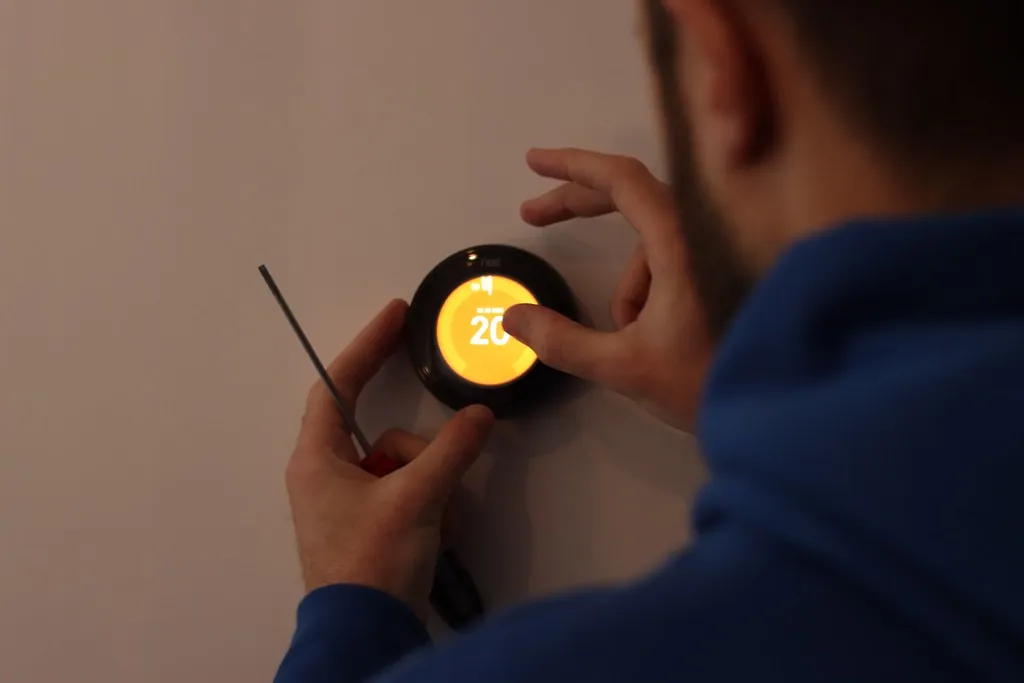
Heating and cooling. HVAC accounts for roughly 45–55% of the typical US electric bill. A smart thermostat alone can save 8–15% on heating and cooling — that’s $90–200 a year on a $137/month bill.
If you only do one thing on this list, install a Nest or Ecobee. Mine paid for itself in 9 months.
How much can a smart thermostat actually save?
Mine was a Nest Learning ($199 installed). It learned our patterns within a week — cooler at night, warmer when we’re at work and school, no heat running while we’re at the kids’ soccer games. My bill dropped $22/month within the first cycle.
The Ecobee 3 Lite ($129) is the budget alternative and works almost as well. Both qualify for federal energy rebates — check the IRS Form 5695 credits at EnergyStar.gov.
What temperature settings should I use?
Summer: 78°F when home, 82°F when away. Winter: 68°F when home, 60°F overnight or when away. Each degree closer to outside temp saves about 3% on HVAC.
The kids complained for two weeks. They survived. We saved $40 a month.
How much do LED bulbs really save?
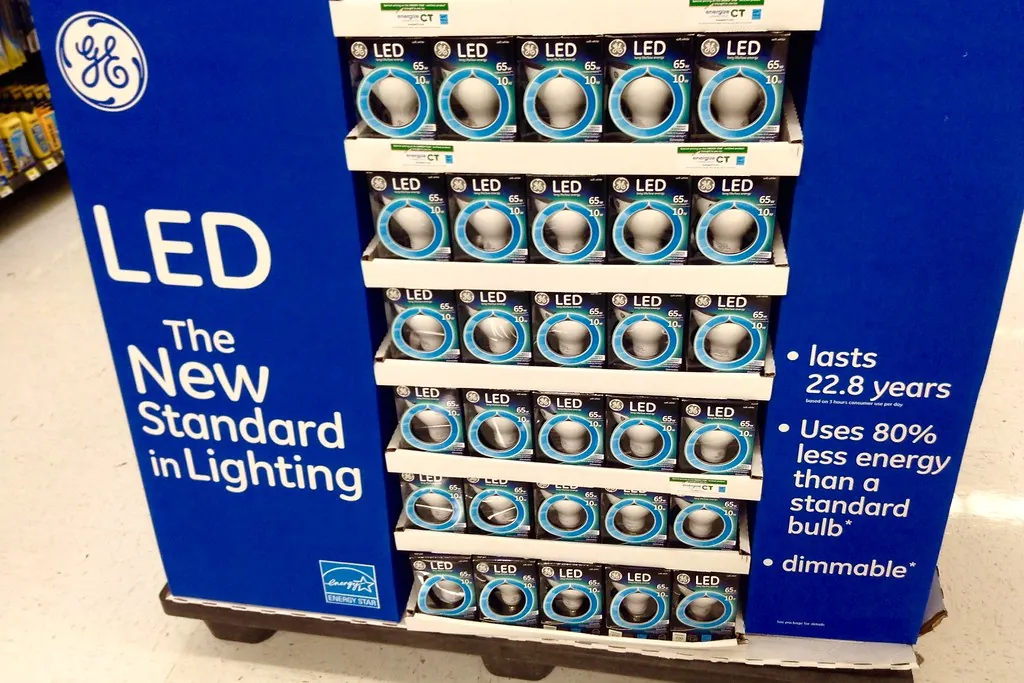
A 60W incandescent uses 60W. The equivalent LED uses 9W. If you swap 20 bulbs in your house from incandescent (or CFL) to LED, you save roughly $8–12 a month on lighting alone. Total cost to replace 20 bulbs at Costco: about $50.
LED bulbs also last 10–15 years. I haven’t changed a bulb in my master bedroom since 2019.
What about old appliances?
Refrigerators over 15 years old cost roughly $100–200/year more to run than a modern Energy Star model. When my old fridge died in 2022, the replacement (a $1,400 Whirlpool Energy Star) dropped my monthly bill by about $14.
Same goes for dishwashers, washing machines, and dryers. Energy Star labels matter — look for the yellow tag.
How can I reduce dryer energy use?
Three things: clean the lint trap every load (lint blocks airflow, dryer runs longer), use dryer balls (cuts drying time by 15–20%), and air-dry whenever the weather allows. A clothesline in summer saves me about $8/month.
Bonus: my whites stay whiter from natural sun bleaching.
Water heater settings — what’s optimal?
120°F. Most water heaters come set at 140°F by default — wastes energy and is a scalding hazard for kids. Drop to 120°F and you’ll save 4–10% on water heating without ever noticing the difference.
Insulate the first 6 feet of hot water pipe with a $10 foam sleeve from Home Depot — saves another $5–10/month in winter.
What are the easiest “set and forget” savings?
- Install LED bulbs everywhere ($50 one-time, saves $100+/year)
- Smart thermostat ($129–199, saves $90–200/year)
- Drop water heater to 120°F (free, saves $50–100/year)
- Switch fridge to 38°F and freezer to 0°F (free, saves $25–50/year)
- Use smart power strips for entertainment center ($20, saves $40/year on standby)
- Energy-efficient washer settings — cold water for most loads (saves $60/year)
Do off-peak electricity rates actually help?
Depends on your utility. American Electric Power in Ohio offers a “time-of-day” plan where electricity is 50% cheaper from 9 PM–5 AM. If you can run the dishwasher and washing machine after 9 PM, you save real money.
Check your utility’s website. Search “time-of-use rate” or “off-peak plan.” Roughly 60% of US utilities offer some version of this.
What about insulation and weatherstripping?
For older homes, adding attic insulation is the #1 upgrade. A $400 DIY job at Home Depot can cut winter heating bills by 15–25%. Weatherstripping doors and windows (cheap rubber strip, $5–10 per door) catches small drafts.
I added attic insulation in summer 2024 and our winter bills dropped $35/month. Best $480 we’ve spent on this house.
Should I unplug appliances when not in use?
For big-ticket items, yes — entertainment centers (TV + console + speakers) draw 15–40W on standby. A $20 smart power strip ($25 on Amazon) cuts that automatically.
For small stuff like toasters and coffee makers, unplugging is mostly symbolic — they draw less than $2/year in standby. Don’t bother.

How do indoor plants help reduce cooling costs?
Slightly. Large leafy plants near sunny windows can reduce indoor temperature by 1–2 degrees through transpiration. See my indoor plants guide — a monstera in a south-facing window pulls some weight in summer.
Bigger impact: blackout curtains during heatwaves. $30 per window, drops indoor temp 4–6 degrees on hot days.
What about solar?
For homeowners staying 7+ years in their home, solar pays off in most US states. A typical 6kW system costs $15–22K after federal tax credit (30% as of 2025). Payback period: 6–12 years depending on state.
Not a fit for renters or short-term homeowners. Battery storage (Tesla Powerwall, etc.) is still expensive and only worth it in outage-prone areas.
What about heat pumps?
If your AC and furnace are both 12+ years old, replacing both with a single heat pump can drop heating costs by 30–50%. Federal heat pump tax credits run up to $2,000. Especially good for Ohio, Pennsylvania, and other moderate-climate states.
FAQ
How quickly will I see savings?
The thermostat and LED bulbs show savings on the next month’s bill. Insulation, appliance swaps, and weatherstripping show clearer savings over a full season.
What’s the average ROI on a smart thermostat?
Most US households pay it back in 6–12 months. Faster in extreme climates, slower in mild ones.
Is it worth getting an energy audit?
Yes — many utilities offer free or discounted energy audits. They identify the highest-ROI fixes for your specific home. Mine identified a duct leak that was costing me $20/month.
Can renters do any of this?
Yes — LED bulbs (take them with you), smart power strips, weatherstripping (removable), off-peak laundry, and dropping the water heater (if you have access). Skip insulation and major upgrades.
How much can I realistically cut my bill?
20–35% total reduction is realistic for most households after applying the top 5–10 items. I cut mine 35% over 18 months without any luxury upgrades.
Summing Up!
Smart thermostat + LED bulbs + water heater drop + off-peak laundry = $1,200+/year in savings for most US households. Total upfront cost: under $300. The math is silly.
Start with the smart thermostat this weekend. Then knock off one item per month. By next year your bill will be 25–35% lower without sacrificing anything you actually care about. For seasonal tips, see my storm prep guide — energy resilience matters when outages hit.
