Last summer, my sister came back from a trip to New York and unknowingly brought bed bugs into our guest room. I didn’t realize for two weeks — until my husband noticed bites on his ankles after a quick nap in there.
I am not exaggerating when I say I cried. Bed bugs feel like a moral judgment, even though they have nothing to do with cleanliness. After three weeks of intense work using natural methods, the infestation was gone. Here’s exactly what I did, and what didn’t work.
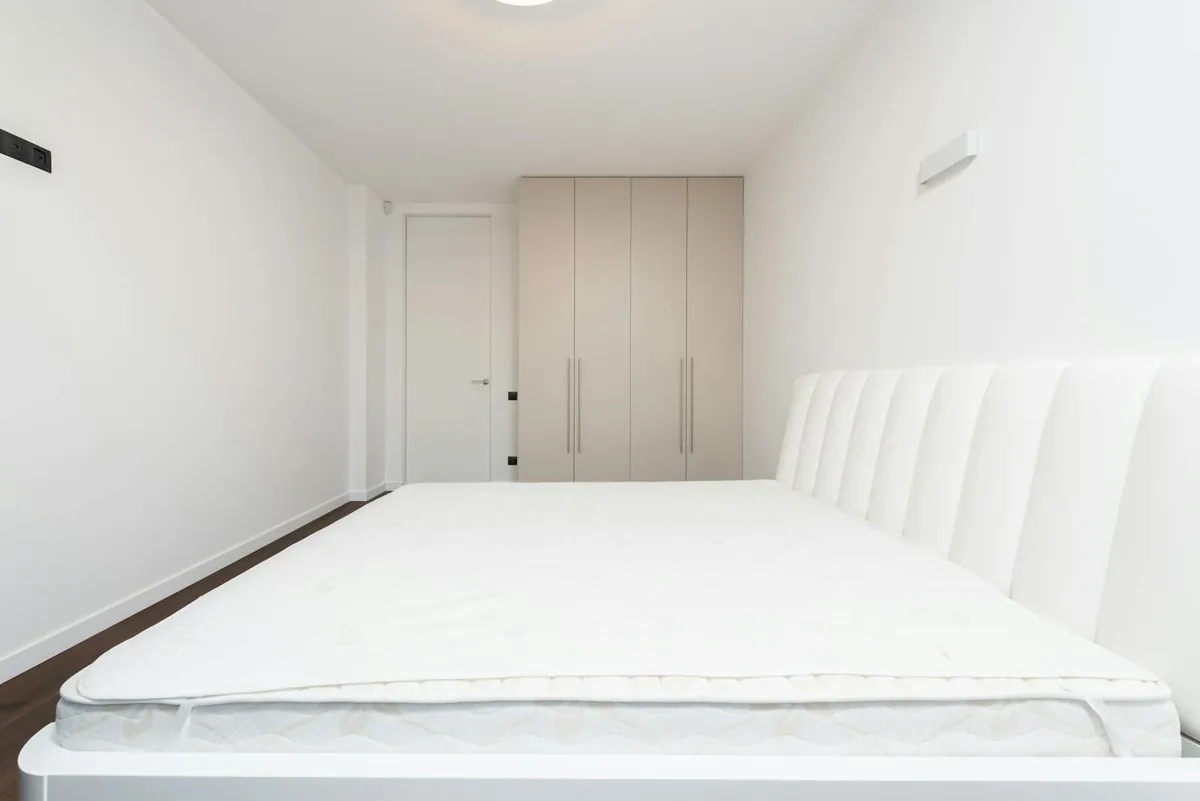
How do I know if I really have bed bugs?
Bed bugs leave specific signs. Confirm before you panic:
- Small brown spots (digested blood) along mattress seams and box-spring corners.
- Tiny pale-yellow shells (molted exoskeletons) in mattress crevices.
- Live bugs — apple-seed sized, reddish-brown, flat.
- Bites in a line of three (“breakfast, lunch, dinner”) on exposed skin.
- Sweet musty odor in heavy infestations.
If you see only one of these, do a thorough check before treatment. I confirmed mine with a flashlight at 2 AM, checking the mattress seams. Found three live ones along the box spring edge.
What temperature kills bed bugs?
Heat is the only natural method that reliably kills bed bugs at every life stage — eggs, nymphs, and adults.
- 120°F for 90 minutes — kills all stages.
- 122°F for 20 minutes — kills all stages.
- A clothes dryer on high reaches 130-140°F.
This is your most powerful weapon. Everything washable goes in the dryer. Everything else gets steam-treated or sealed in plastic for several months.
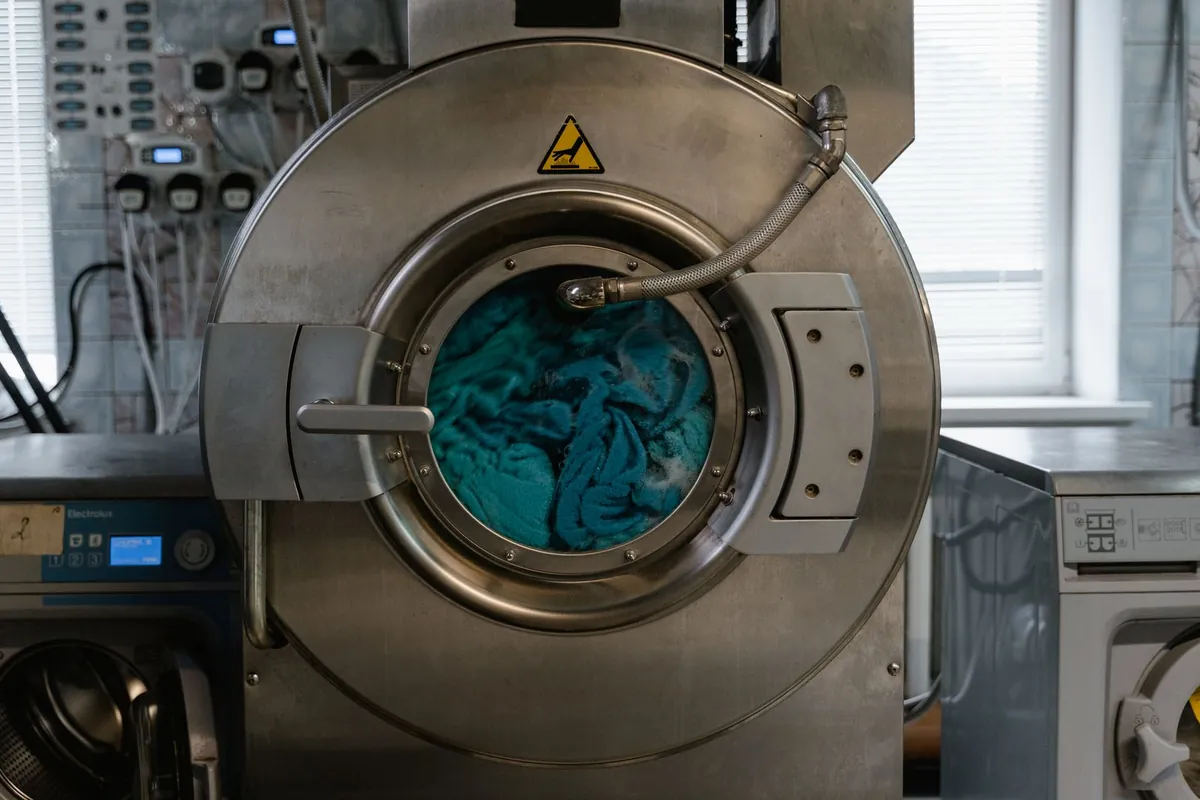
How do you treat bedding and clothes?
This is week-one priority. Do it in this order:
- Strip the bed. Sheets, pillowcases, mattress cover, bed skirt — everything.
- Bag it. Carry to the laundry in sealed plastic bags so you don’t drop eggs through the house.
- Wash in hot water (130°F+).
- Dry on high for 30+ minutes.
- Bag clean items separately until you’ve cleared the room.
I did three loads a day for the first week. Anything that couldn’t be washed (stuffed animals, decorative pillows) went into the dryer on high for 30 minutes anyway. The kids’ stuffed animals all survived.
How does diatomaceous earth kill bed bugs?
Food-grade diatomaceous earth (DE) is fossilized algae ground into a fine powder. It scratches the bug’s waxy outer shell, and they dehydrate and die within 7-14 days.
I bought a 4-pound bag of food-grade DE on Amazon for $19. Important: only buy food-grade. Pool-grade is dangerous to breathe.
How to apply:
- Use a small brush or duster to apply a thin layer in cracks, baseboards, and behind furniture.
- Less is more — bugs walk through dust, but heavy piles repel them.
- Leave it for 2-3 weeks. Reapply after vacuuming.
- Keep DE away from where kids and pets actively breathe it in. I put it inside cracks, not on open carpet surfaces.
This took the longest to work but was the most effective at killing the bugs hiding behind the headboard and baseboards.
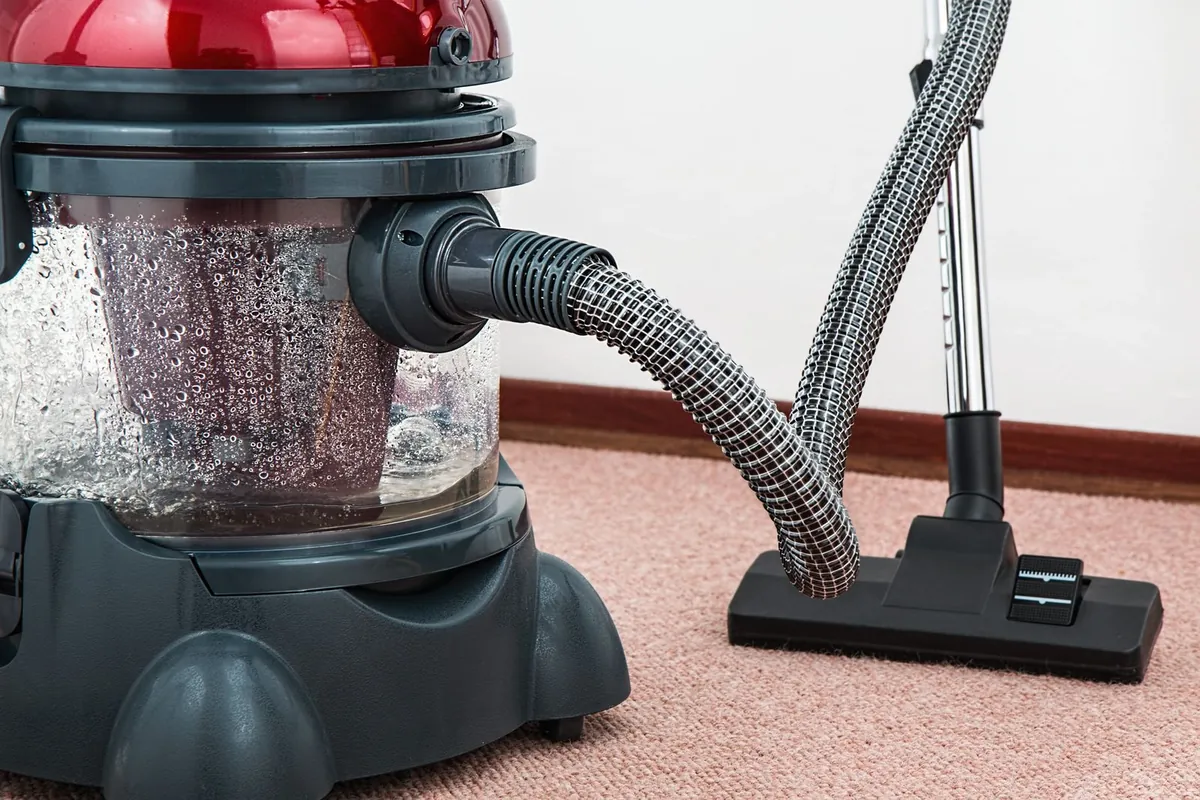
Why is vacuuming so important?
Vacuuming physically removes live bugs and eggs. I vacuumed the guest room daily for three weeks using my Shark Navigator with a crevice tool.
Critical: empty the vacuum into a sealed plastic bag and take it outside to the trash immediately. Otherwise the bugs crawl right back out of the canister.
Focus areas:
- Mattress seams (every inch)
- Box spring corners and underside
- Baseboards and carpet edges
- Behind picture frames and outlet covers
- Bed frame joints
Should you steam-clean the mattress?
Yes — if you have a steamer that reaches 200°F+. I borrowed my mom’s Bissell steam mop with the upholstery attachment.
Steam every inch of the mattress, especially seams and tufts. Move slowly — about 1 inch per second. The heat penetrates 3/4 of an inch into fabric, killing bugs and eggs you can’t see.
If you don’t have a steamer, you can rent one from Home Depot for around $40 a day.
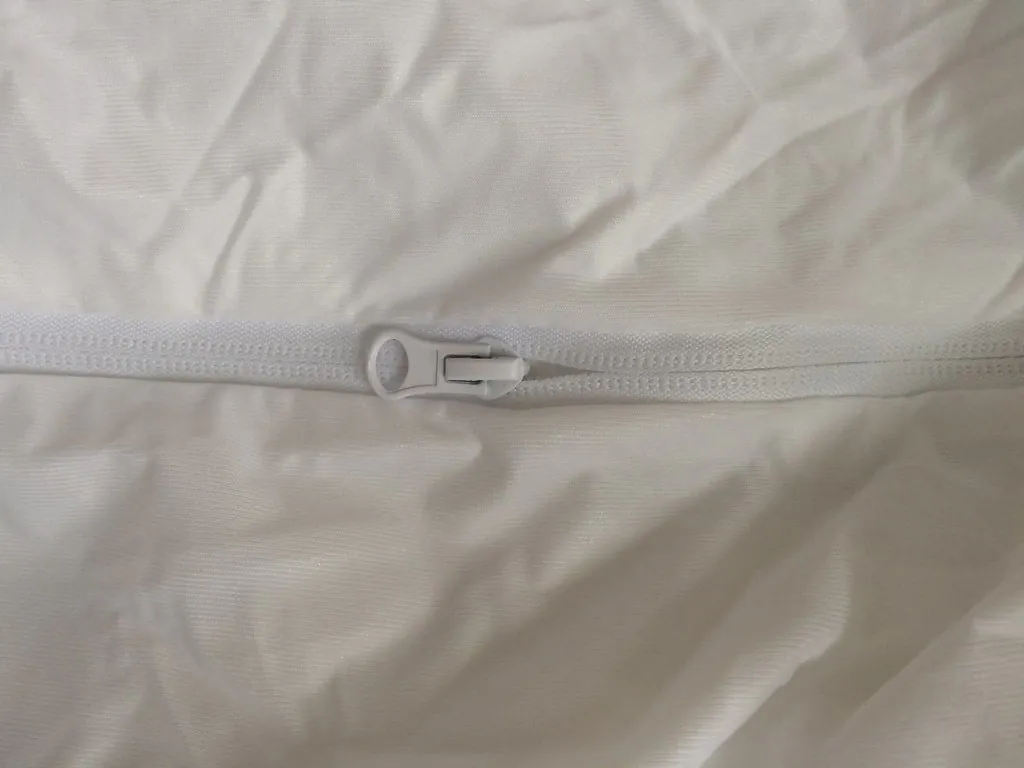
What about mattress encasements?
After steaming, I bought a bed-bug-proof mattress encasement ($59 at Target) and zipped my mattress inside. Any surviving bugs trapped inside die within a year without food. New bugs can’t get in.
Do the same for the box spring. The encasement is non-negotiable if you want to sleep peacefully through treatment.
What natural methods don’t work?
I tried these and was disappointed:
- Essential oils (tea tree, lavender, peppermint): They repel adults briefly but don’t kill eggs. Internet myths.
- Rubbing alcohol spray: Kills on contact but flammable and ineffective on hidden bugs.
- Baking soda: Doesn’t dehydrate them like DE does. Don’t waste your time.
- Vinegar: Same — kills on contact only, doesn’t address eggs or hidden colonies.
When should you call a professional?
Call a pest control company if:
- You see bugs in more than one room.
- The infestation has been there over 3 months.
- Natural methods haven’t worked after 4 weeks.
- You’re renting (your landlord may be legally required to treat).
A professional heat treatment runs $1,200-$2,500 for a whole house but is nuclear-effective. The EPA notes (source) that integrated pest management — combining natural and chemical methods — works best for stubborn cases.
For more family-living and home-safety guides, see my storm season prep guide, my apartment move-out checklist, and my spring cleaning checklist.
FAQ — bed bugs natural treatment
Can bed bugs survive in the dryer?
No. Bed bugs and their eggs die at 120°F. A clothes dryer on high reaches 130-140°F, killing every life stage in under 30 minutes. Wash first if items are dirty, but the dryer is the kill step.
How long does it take to get rid of bed bugs naturally?
Three to six weeks for a small infestation caught early. Severe infestations can take 8-12 weeks or longer. Diatomaceous earth works slowly (7-14 days per bug), so patience plus consistency beats panic.
Can bed bugs live in your hair?
No — they prefer fabric. They feed on you briefly at night and return to mattress seams to digest. If you find bugs in your hair, it’s lice, not bed bugs. The two are often confused but easy to tell apart with a magnifying glass.
Does freezing kill bed bugs?
Yes, but slowly. Items must reach 0°F for at least 4 days. Most home freezers fluctuate, so use this only for small items you can leave alone. Heat is faster and more reliable.
Are bed bug bites dangerous?
Itchy and stressful, but not medically dangerous for most people. They don’t transmit disease. A small percentage of people develop allergic reactions or secondary infections from scratching. See a doctor if bites swell significantly or develop pus.
