Before we bought our house, my husband and I rented for nine years across three apartments. I got our full security deposit back every single time, and one landlord even gave us a Starbucks gift card for “leaving it cleaner than you found it.”
Most renters lose $500-$1,200 of their deposit. The reason isn’t damage — it’s missing the small stuff. Here’s the exact 12-step process I followed.
Why do most renters lose part of their deposit?
Per a 2023 RentCafe survey, 26% of renters lose part of their security deposit, with the average deduction running $375. The top three causes:
- Cleaning fees — landlord hires a cleaner because the place isn’t “broom-clean”
- Nail holes and wall damage — even small holes count if not patched
- Carpet stains — pet stains and grease are nuclear
All three are fixable in a weekend with under $35 in supplies.
Tip 1 — What does “broom-clean” actually mean in a lease?
“Broom-clean” is vague on purpose. Most landlords expect the apartment to be cleaner than just swept — usually it means appliance interiors wiped, floors mopped, bathrooms scrubbed, and no personal items left.
When in doubt, clean like you’re staging it for new tenants. Better to overclean than have a $200 cleaning fee deducted.
Tip 2 — Do you have to spackle nail holes?
Yes, almost always. Even tiny pinholes from a 3M Command strip can trigger a $50 wall repair charge.
The fix is $4 of spackle from Home Depot:
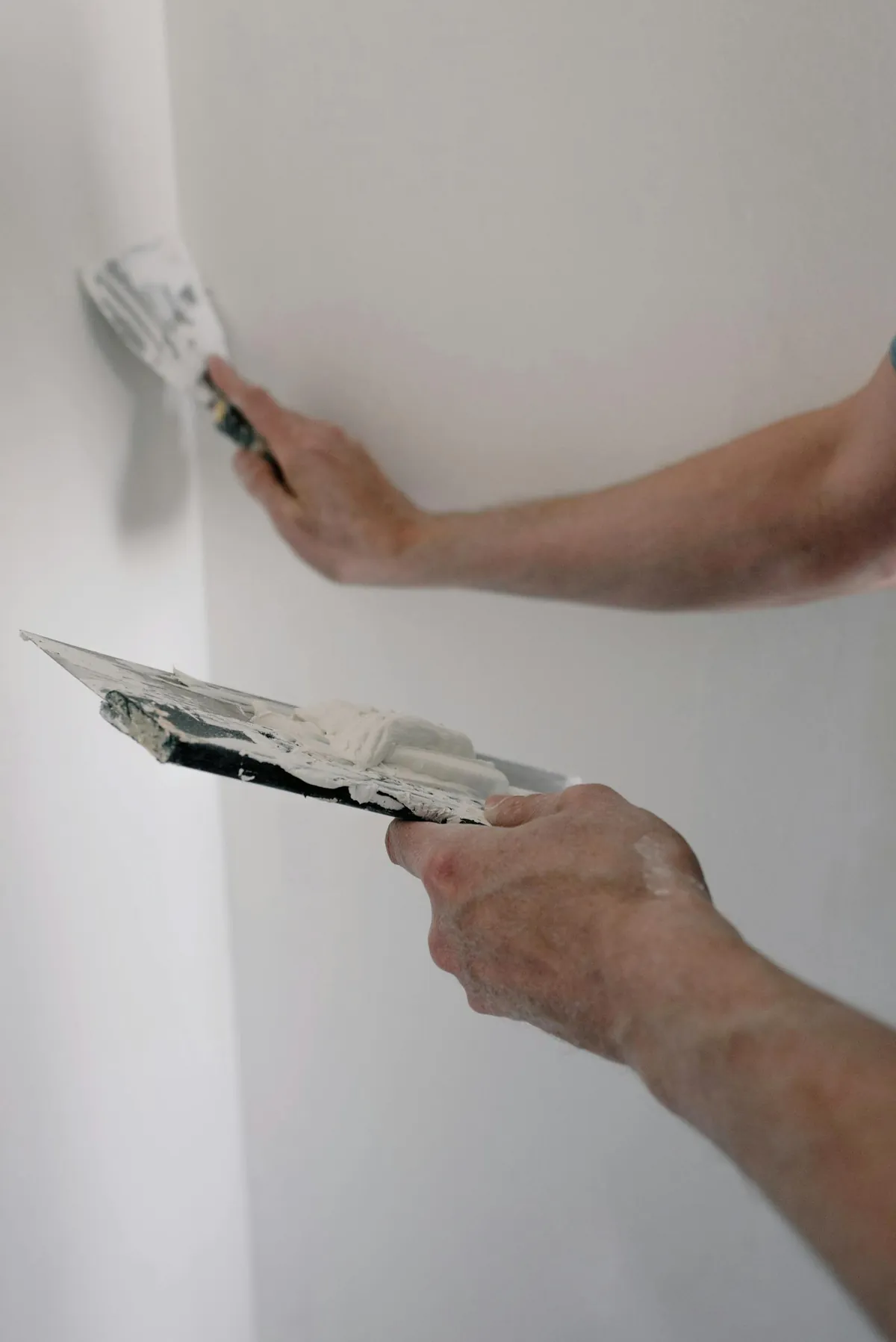
- Squeeze a pea-sized amount of spackle on your finger.
- Press into the hole, smooth flush with the wall.
- Wait 30 minutes to dry.
- Sand lightly with 220-grit sandpaper.
- Touch up with matching paint (ask landlord for paint code, or take a chip to Home Depot).
I spackled 47 nail holes in one apartment in under an hour. Got the full deposit back.
Tip 3 — How do you clean baseboards effectively?
Baseboards are the #1 forgotten spot. Landlords specifically check them because they reveal whether a tenant actually cleaned or just wiped surfaces.
Use a Magic Eraser ($5 for 6-pack at Target) and water. Scrub baseboards in every room. Pay extra attention to corners where dust gathers.
This took me 45 minutes per apartment. Easy win.
Tip 4 — What about the oven?
Oven cleanliness is one of the most common deductions ($75-$200). Use Easy-Off Heavy Duty oven cleaner ($6 at Walmart):
- Spray inside oven walls, racks, and door.
- Close oven and leave for 4 hours.
- Wipe with damp microfiber.
- Repeat for stubborn spots.
For the stovetop, remove the burner grates and soak them in soapy water in the sink while you do the rest.
Tip 5 — How do you handle carpet stains?
Renter’s worst enemy. Pet stains, red wine, coffee — landlords will charge for full carpet replacement if a stain doesn’t come out.
My toolkit:
- Folex Carpet Spot Remover ($8 at Target) — gold standard for most stains
- OxiClean — paste form for set-in stains
- Rented Bissell Big Green — $40 for 24 hours from Home Depot
For pet urine stains, enzymatic cleaner like Nature’s Miracle ($14) is non-negotiable. Regular detergents don’t break down the proteins.
Tip 6 — Should you steam-clean the carpet?
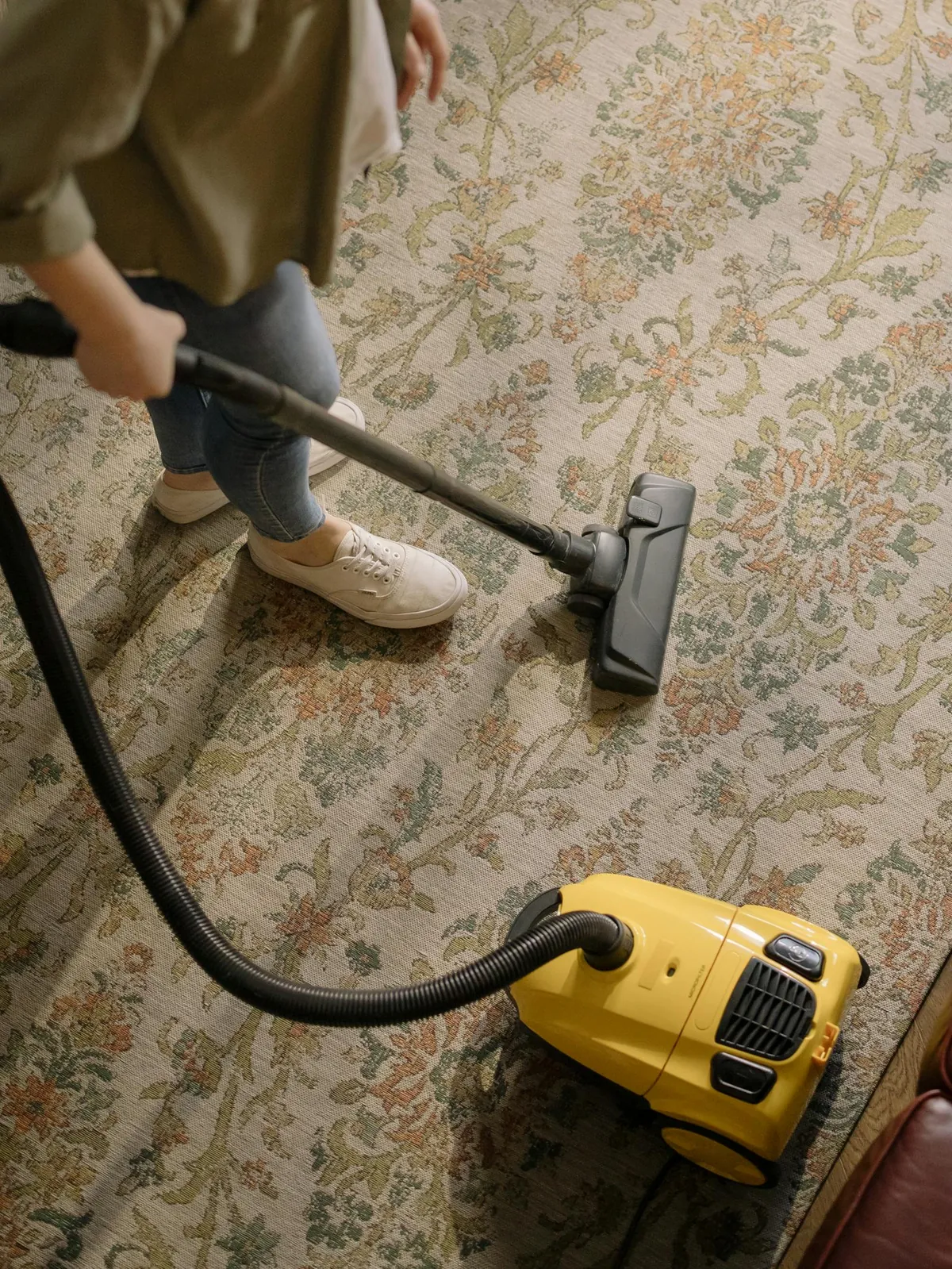
Check your lease. Some require professional carpet cleaning with a receipt. Others accept DIY rental cleaning.
I rented a Big Green from Home Depot ($40 for a day) for our last move. Worked great and the landlord accepted the rental receipt.
If your lease specifically requires “professional carpet cleaning,” hire it. Stanley Steemer charges around $130 for a 2-bedroom. Cheaper than a $500 cleaning fee deduction.
Tip 7 — How do you document the condition with photos?
This is the #1 underrated step. Take date-stamped photos of every room after you’ve cleaned, before the walk-through.
Photograph:
- Every wall and corner
- Inside the oven, fridge, dishwasher
- All appliance exteriors
- Bathroom floor, tub, toilet
- Inside cabinets
- Carpets and floors
I take 60-80 photos. If the landlord later claims damage, you have proof of the move-out condition.
Tip 8 — What about the bathroom?
Bathrooms are where I focused the most. Grout stains and soap scum trigger immediate deductions.
- Grout: Scrub with a baking soda paste and old toothbrush.
- Showerhead: Vinegar bag overnight (see my spring cleaning post).
- Toilet base: Wipe with disinfectant. Landlords check.
- Mildew on caulk: Bleach-soaked paper towel for 30 minutes.
Tip 9 — Do I need to clean inside cabinets?
Yes. Every drawer, every cabinet, top of fridge, top of cabinets if accessible.
I use a vacuum attachment to suck out crumbs first, then wipe with Dawn-and-water on a microfiber.
Tip 10 — What about the dishwasher and washing machine?
Run a hot cycle through both with vinegar before leaving. Wipe gaskets dry.
Also pull the dishwasher filter (bottom of dishwasher) and rinse — most renters never touch this and landlords occasionally check.
Tip 11 — What should I leave behind?
Nothing. Empty trash bins. Remove all picture hooks (and patch the holes). Pull thumbtacks. Take the welcome mat.
One exception: if the lease says “leave appliances supplied by landlord,” confirm what’s theirs vs. yours.
Tip 12 — What’s the move-out walk-through?
Always request a walk-through with the landlord present. Most states require it within 14 days of the lease ending. Walk room-by-room together.
Bring a copy of your move-in inspection sheet. Compare conditions. If the landlord claims damage, request it in writing with photos.
If they deduct unfairly, most states require the landlord to itemize deductions and return the balance within 14-30 days. You can pursue small claims court for unfair deductions.
For related guides, see my spring cleaning checklist, my stainless steel fridge cleaning, my stain removal guide, and my lower your electric bill post.
FAQ — security deposits
How long does my landlord have to return my deposit?
It varies by state — typically 14 to 60 days after lease ends. California, Texas, and New York have 30 days; Florida has 15-60 depending on dispute status. Check your state’s specific tenant law for exact deadlines.
Can my landlord deduct for normal wear and tear?
No. Normal wear (faded paint, minor carpet wear, small scuffs) is not a legal deduction. Damage (large holes, broken fixtures, stains beyond cleaning) is. The line is fuzzy — document everything in photos at move-in and move-out.
Should I hire a professional cleaner?
Only if your lease requires it or if you can’t do it yourself. A $200-$300 professional cleaning still beats a $500-$700 deduction. Get a receipt and itemized list to send the landlord.
What if my landlord doesn’t return my deposit?
Send a certified-mail demand letter citing your state’s deposit return law. If still no return, file in small claims court — most states allow tenants to sue for the deposit plus 2-3x damages for bad-faith withholding.
Do I have to pay the last month’s rent if I have a deposit?
Yes. Security deposits are not last-month’s rent unless explicitly written into the lease. Withholding last month’s rent in lieu of deposit is a lease violation in most states and can hurt your rental history.
