I’m a side sleeper with a chronic lower back issue. My husband is a back sleeper who runs hot. Our previous mattress was a 10-year-old Sealy that had developed a “him crater” and a “me crater.” Replacing it became a six-month project of internet research, dragging my husband to mattress stores, and ultimately deciding to test three online mattresses in a row using their trial periods.
Here’s what 90 nights taught me – and what I’d buy if I were starting over.
How did I test these mattresses fairly?
30 consecutive nights on each mattress. Same sheets, same pillows, same room temperature (68F). I tracked: morning back pain (1-10 scale), nighttime cooling, partner motion transfer (could I feel him roll over?), edge support, and break-in time. My husband filled out the same survey independently.
Purple Restore Plus – the cooling king
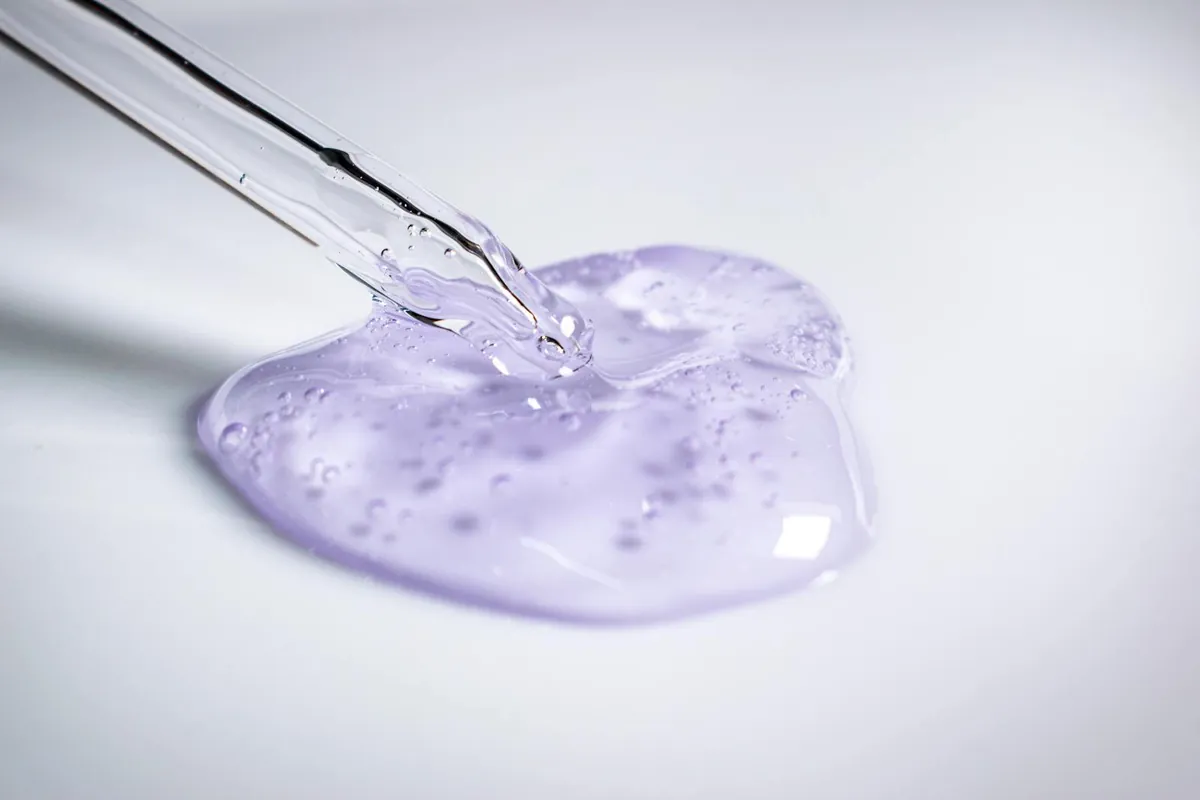
Purple’s gel grid is genuinely weird – it feels squishy in your hand but firm under body weight. It’s also the coolest mattress I’ve ever slept on. The air channels in the grid actually work. My husband, who used to sweat through the sheets, slept comfortably through July.
Pros:
- Best cooling of any mattress I tested – no comparison
- Pressure relief on side sleeping was excellent (my shoulder pain disappeared in 2 weeks)
- Edge support holds up – I sit on the edge to put on shoes daily
- Almost zero motion transfer
Cons:
- $2,295 for a queen is expensive
- Heavy (115 lbs) – moving it requires two people
- Initial off-gassing smell lasted 3 days (Purple says 24 hours; lies)
Casper Original – the balanced pick
Casper Original at $1,295 is the “I don’t know what I want” mattress, and I mean that as a compliment. Medium firmness, foam construction, zoned support that’s a bit firmer under the lower back. It’s the mattress nobody loves but nobody hates.
After 30 nights, I’d describe it as “fine.” My back pain was a 3 (vs 5 on the Purple), but I slept hot in week 3 when temperatures hit 85F.
Tuft & Needle Original – the budget winner
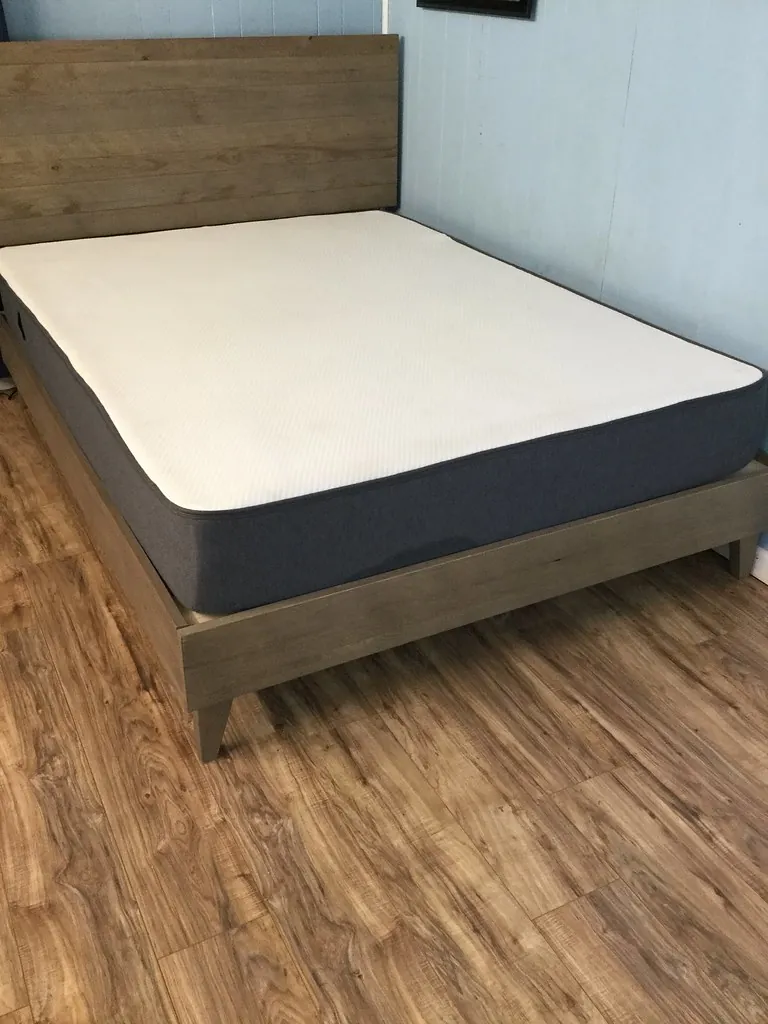
At $895 for a queen, the T&N Original is the cheapest of the three. It’s a simple two-layer foam mattress with no gimmicks. Medium-firm, holds up well, and sleeps cooler than the Casper.
If you’re outfitting a guest room, a kid’s room, or you’re in your 20s and your back still works correctly, this is the smart-money buy. It’s not as comfortable as Purple, but it’s a third of the price.
Mattress comparison table
| Feature | Purple Restore Plus | Casper Original | T&N Original |
|---|---|---|---|
| Queen price (June 2026) | $2,295 | $1,295 | $895 |
| Construction | Gel grid + foam | All foam | All foam |
| Firmness | Medium-firm | Medium | Medium-firm |
| Cooling | Excellent | Average | Good |
| Edge support | Excellent | Good | Average |
| Motion transfer | Almost none | Low | Low |
| Trial period | 100 nights | 100 nights | 100 nights |
| Warranty | 10 years | 10 years | 10 years |
What about back pain specifically?
For me (chronic lumbar issue, side sleeper), the Purple was a clear winner. The gel grid distributes pressure so my hip doesn’t sink and pull my spine out of alignment. My morning back pain went from 5/10 on our old mattress to 1/10 on the Purple by week 2.
If you have back pain and budget is tight, I’d still pick the Casper over the T&N – the zoned support layer makes a meaningful difference. Spending $400 more for substantially less morning pain is worth it.
The mattress trial period scam (sort of)
All three brands offer 100-night trials with free returns. What they don’t advertise: most require 30 nights of mandatory sleep before you can initiate a return. The reason is real – mattresses take 2-3 weeks to break in – but it means you can’t impulse-return after 2 bad nights.
Read the return policy before buying. Some require you to donate the mattress to charity (they don’t pick it up); some require you to coordinate the pickup. None will refund shipping.
Should you buy a mattress at a physical store?
Honestly, the online experience is better in 2026 unless you’re in a wheelchair or have a very specific medical mattress need. Online prices are 30-50% lower than mattress store retail, returns are free, and the trial period is far longer than the “lie on it for 5 minutes in the showroom” experience.
Mattress accessories worth buying
- Mattress protector – $30 on Amazon, voids warranty without one. Get a cotton one, not vinyl (sweaty).
- Quality pillows – matters as much as the mattress for side sleepers. I love Coop Home Goods adjustable.
- Sheets – 400-500 thread count cotton, NOT microfiber (traps heat).
- Bed frame with center support – queens and kings need it; voids warranty otherwise.
For more home guides, see my budget home office setup, closet organization step-by-step, and decluttering mistakes to avoid.
Frequently Asked Questions
How long does a mattress really last?
Quality memory foam: 8-10 years. Innerspring: 7-9 years. Hybrid: 8-10 years. Latex: 12-15 years. Most mattress warranties are 10 years, which is also when you should start seeing performance drop.
Is Purple really better than memory foam?
For cooling and pressure relief, yes. The gel grid doesn’t trap heat the way foam does. The trade-off is it’s more expensive and heavier. For most sleepers in moderate climates, memory foam is fine.
What firmness should I get for back pain?
Medium-firm to firm, generally. Too soft and your hips sink, pulling your spine out of alignment. Too firm and pressure points create new pain. Side sleepers usually want medium-firm; back and stomach sleepers want firmer.
Can I return a mattress after sleeping on it?
Yes, all major online brands accept returns within 100 nights of delivery. Most require 30+ days of break-in sleep before initiating. They typically arrange charity pickup; you don’t pay return shipping.
