When we adopted Bailey from the shelter in 2020, the first thing she did was eat a leaf off my pothos. I rushed her to the emergency vet at 11 PM, spent $340, and learned that nearly half the plants in my house were toxic to dogs.
That night I went through the entire ASPCA database and replaced everything dangerous. Six years later, I’ve tested dozens of pet-safe plants in my Columbus home with both Bailey and her cat-cousin Mittens (my sister’s cat who visits weekly). These 10 are the winners.
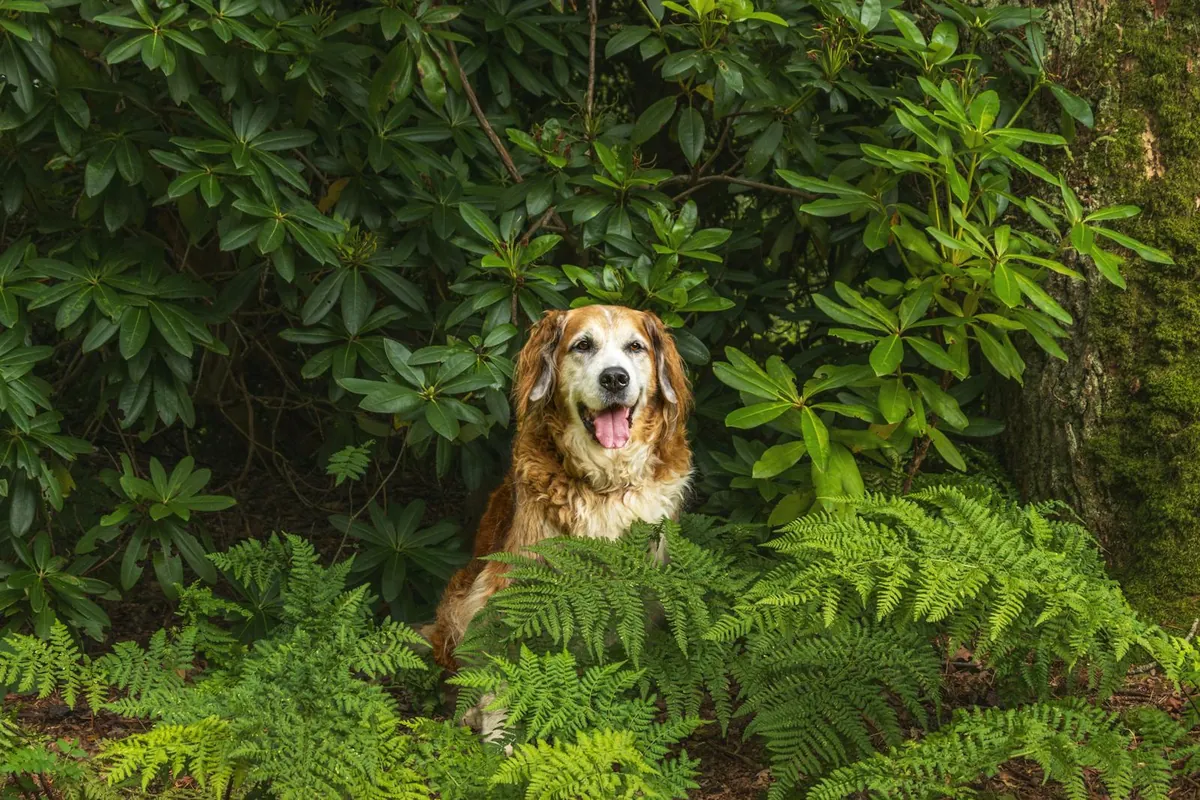
How do I know if a plant is really pet-safe?
Cross-check the ASPCA Toxic and Non-Toxic Plants database. It’s the gold standard – searchable by plant name, with notes on what’s toxic to dogs vs cats. I bookmark it on my phone and check before buying anything new at the nursery.
Important caveat: “non-toxic” doesn’t mean “great to eat.” If your dog snacks on a pound of any plant, you’re going to see vomiting. Non-toxic means it won’t cause organ damage or serious illness in small amounts.
1. Spider Plant (Chlorophytum comosum)
The bulletproof beginner plant. Spider plants tolerate low light, irregular watering, and being chewed on by curious pets. They produce baby plantlets (“spiderettes”) that you can snip off and root in water – I have 4 spider plants in my house, all from one $12 original.
Light: Bright indirect. Water: When top inch is dry. Where to buy: Home Depot $12, The Sill $25 with pot.
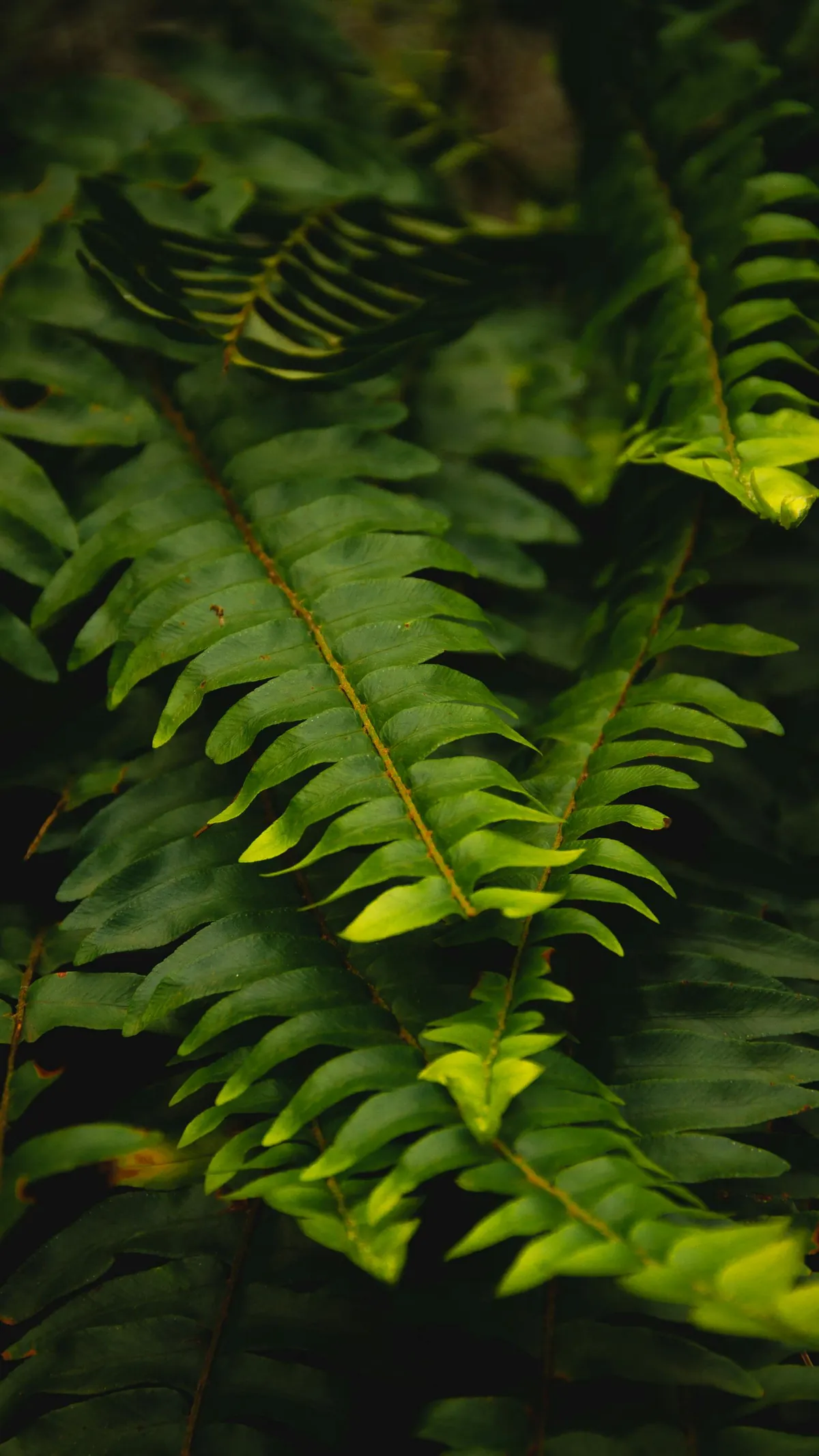
2. Boston Fern (Nephrolepis exaltata)
The classic “grandma’s bathroom plant,” and for good reason. Boston ferns love humidity, which makes them perfect for bathrooms or kitchens. Bailey has nibbled mine three times – no issues. They do shed (a lot), so vacuum nearby.
Light: Bright indirect. Water: Keep soil consistently moist. Where to buy: Lowe’s $15-20.
3. Areca Palm (Dypsis lutescens)
If you want a statement floor plant that’s safe for pets, areca palm is the answer. They grow 4-6 feet tall indoors, look like vacation, and are completely non-toxic. The downside is they need more light than most apartments offer – mine sits in my south-facing living room window.
Light: Bright indirect to some direct. Water: Weekly. Where to buy: Costco $30-40 for a 4ft plant.
4. Parlor Palm (Chamaedorea elegans)
The smaller, lower-light cousin of areca palm. Parlor palm tops out at 2-3 feet and tolerates the gloomier corners of your house. Perfect for north-facing rooms or apartments.
5. African Violet (Saintpaulia)
Flowering, compact, pet-safe. African violets bloom year-round if you treat them right – bright indirect light, water from the bottom, never let the leaves get wet. Mine sits on my kitchen windowsill and has bloomed every month since 2024.
6. Prayer Plant (Maranta leuconeura)
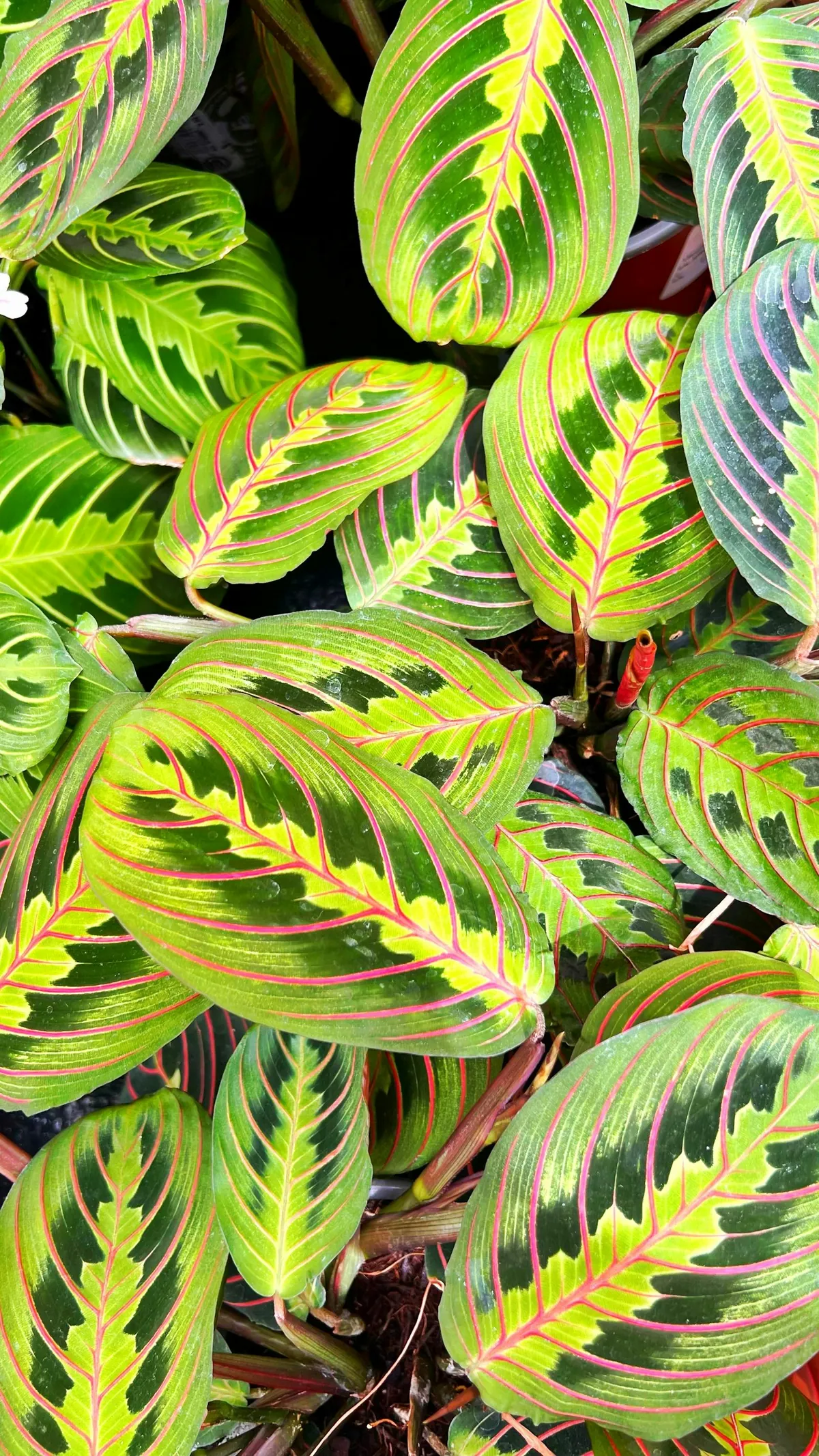
Named because the leaves fold up at night like praying hands. The variegated red veining is gorgeous, and they’re 100% non-toxic. They do need humidity – if you have dry winter air, mist daily or set on a pebble tray.
7. Calathea (various species)
Calatheas are the dramatic queens of pet-safe plants – bold patterned leaves, color underside, the works. They’re also slightly fussy: they want filtered water (tap water can spot the leaves), high humidity, and consistent watering. Worth it for the look.
My favorites: Calathea orbifolia (round silvery leaves), Calathea ornata (pink pinstripes), Calathea medallion (deep red undersides).
8. Baby Rubber Plant / Peperomia obtusifolia
NOT the same as the toxic rubber tree (Ficus elastica). Baby rubber plant is a small succulent-like plant with thick glossy leaves, tops out at 12 inches, and tolerates neglect. I forgot to water mine for three weeks once – it survived fine.
9. Christmas Cactus (Schlumbergera)
Blooms in late November through January, lives basically forever (my grandmother had one for 40 years), and is completely pet-safe. The trick to getting it to bloom is 12-14 hours of darkness for 6 weeks in October.
10. Money Tree (Pachira aquatica)
Braided trunk, lush canopy, supposed to bring good fortune. ASPCA lists it as non-toxic for both dogs and cats. Mine has been in my dining room for 3 years – Bailey ignores it.
Pet-safe plants comparison table
| Plant | Light | Difficulty | Price |
|---|---|---|---|
| Spider Plant | Low-bright | Beginner | $12 |
| Boston Fern | Bright indirect | Intermediate | $15 |
| Areca Palm | Bright | Intermediate | $30 |
| Parlor Palm | Low-medium | Beginner | $20 |
| African Violet | Bright indirect | Intermediate | $8 |
| Prayer Plant | Medium | Intermediate | $15 |
| Calathea | Medium | Hard | $25 |
| Peperomia | Bright indirect | Beginner | $10 |
| Christmas Cactus | Bright indirect | Beginner | $15 |
| Money Tree | Bright indirect | Beginner | $25 |
Plants to AVOID if you have pets
These are the common toxic plants I had to get rid of:
- Pothos / Devil’s Ivy – causes oral irritation, vomiting
- Philodendron – calcium oxalate crystals
- Sago Palm – can cause liver failure (very serious)
- Lilies – severe kidney damage in cats
- Aloe Vera – vomiting, diarrhea
- Snake Plant (Sansevieria) – mild toxicity
- ZZ Plant – calcium oxalates, GI upset
- Monstera Deliciosa – oral irritation
For more home and lifestyle guides, check my picks for the best indoor plants for US homes overall, cold-hardy outdoor plants for zones 3-6, and my DIY kitchen cabinet repaint guide. Bailey appears in most of them.
Frequently Asked Questions
What’s the most pet-safe indoor plant for beginners?
Spider plant, hands down. They tolerate low light, irregular watering, and being chewed on. They also produce baby plantlets you can root in water, so one plant turns into many. $12 at most home stores.
Are succulents safe for dogs and cats?
Some yes, many no. Haworthia and burro’s tail are safe; aloe vera and jade plants are toxic. Always check the ASPCA database before buying any succulent labeled generically as “assorted succulents.”
My dog ate a houseplant – what should I do?
Identify the plant first if possible, then call the ASPCA Animal Poison Control at 1-888-426-4435 (small fee applies). Don’t induce vomiting unless instructed. If your pet is showing severe symptoms – seizures, collapse, repeated vomiting – go to the emergency vet immediately.
Are pet-safe plants more expensive?
Not really. The 10 plants on this list range from $8 to $40, with most under $20. Toxic plants and non-toxic plants are priced about the same.
