I childproofed our house twice – once before my daughter started crawling, and again two years later before my son. The second time was easier because we kept most of the original anchors and gates. But every house is different, and I missed some obvious dangers the first time around.
Here’s the complete room-by-room checklist I wish I’d had in 2018.

When should I start childproofing?
The AAP (American Academy of Pediatrics) recommends starting BEFORE 6 months – because babies typically begin crawling between 7-10 months, and you don’t want to be drilling cabinet locks while your kid is mobile. The full childproof should be done by 8 months. Add stair gates and toddler-specific locks by 12 months.
Kitchen childproofing
- Cabinet locks under the sink – this is the #1 priority. Cleaning chemicals are concentrated and accessible. Magnetic locks ($29 for 8 from Amazon) are the best – they don’t require sticky adhesive that pulls paint off.
- Stove knob covers – $14 for 5 plastic covers. Toddlers can reach knobs by 18 months.
- Oven lock – $12 strap. Hot oven door + crawling baby = ER visit.
- Dishwasher lock – the door drops to vertical and is right at face level for toddlers.
- Refrigerator lock – optional but useful if your toddler likes to “help” themselves to eggs.
- Move all knives to upper drawers or use a drawer lock on the knife drawer.
- Trash can with a lid – or move it under the sink behind a locked cabinet.
Bathroom childproofing
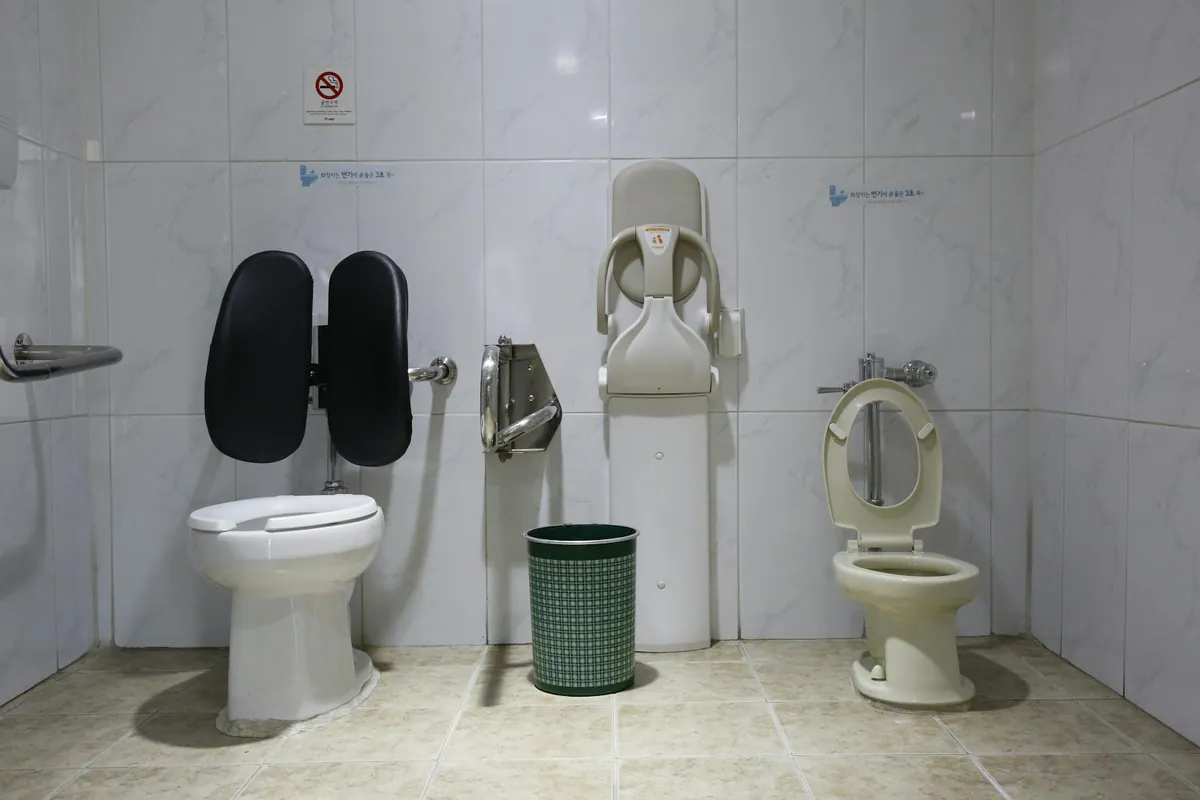
- Toilet lid lock – $9. Toddlers drown in less than 2 inches of water. This is non-negotiable.
- Medicine cabinet – move ALL medications above 60 inches, even Tylenol. Better: a locking medicine cabinet.
- Bathtub spout cover – $8 foam cover prevents head bumps.
- Non-slip bath mat – inside the tub.
- Water heater set to 120F max – prevents scalding. Most are factory-set higher; check yours.
- Cabinet locks – same magnetic locks as the kitchen.
- Hair dryers, curling irons – unplug after every use; cords are choking hazards.
Living room childproofing
- Anchor every tall furniture piece – bookshelves, TV stands, dressers. CPSC stats: a child dies every 2 weeks from furniture tip-overs in the US. $12 anchors save lives.
- TV anchors – flat-screen TVs tip easily. Use both the wall mount AND a strap to the stand.
- Outlet covers – $11 for 40 plastic plugs. Replace them with tamper-resistant outlets if you’re remodeling.
- Cord shorteners for blinds – the CPSC banned corded blinds in 2018, but if you have older ones, shorten or remove the cords. Strangulation hazard.
- Sharp corner bumpers – coffee table corners, fireplace hearth. $9 for 20 foam bumpers.
- Door stoppers for finger pinches – the kind that prevent doors from closing fully.
- Fireplace gates if you have a fireplace – hearth + crawling baby = head injury.
Bedroom and nursery
- Crib safety – mattress firm and tight, no bumpers, no blankets, no stuffed animals under 12 months
- Drop the crib mattress as baby starts pulling to stand (around 7-9 months)
- Anchor the changing table
- Cordless window blinds only
- Outlet covers behind the crib if any are accessible
- Baby monitor cord – keep it 3+ feet from the crib
Stairs and entryways
- Top of stairs gate – hardware-mounted (drilled into wall studs). Pressure gates can be pushed through.
- Bottom of stairs gate – pressure-mounted is fine here since baby falling from the gate falls onto the floor, not down stairs.
- Banister spindle width – should be less than 4 inches apart. If not, use plastic mesh.
- Front door locks at adult height – chain locks or doorknob covers to prevent door-darting.

Garage and outdoor areas
- Garage door opener buttons 60+ inches high
- Pool fence if applicable – 4-sided fencing required by most municipalities, with self-closing/self-latching gate
- Driveway visibility – never assume you can see a child behind your car; walk around before backing out
- Lawn chemicals locked – same level as bathroom medications
Shopping list under $200
| Item | Qty | Price |
|---|---|---|
| Magnetic cabinet locks | 8-pack | $29 |
| Outlet plug covers | 40-pack | $11 |
| Furniture anchor straps | 4-pack | $15 |
| Hardware-mount stair gate | 1 | $59 |
| Pressure-mount gate (bottom) | 1 | $38 |
| Toilet lid locks | 2-pack | $18 |
| Stove knob covers | 5-pack | $14 |
| Corner bumpers (foam) | 20-pack | $9 |
| Door stoppers (pinch guard) | 4-pack | $8 |
| TOTAL | $201 |
What NOT to bother with
- Knee pads for crawling babies – completely unnecessary, they slow down learning to crawl
- Helmets for walking toddlers – not needed for typical home environments
- Baby leashes – eh, situational. I personally never used one.
- Expensive baby monitors with cameras and Wi-Fi – a $30 audio monitor is enough for most homes
For more family living guides, see my grocery savings playbook, family meal schedule template, and budget birthday party planning.
Frequently Asked Questions
How old does my baby need to be to start childproofing?
Start before 6 months. Crawling typically begins between 7-10 months, and walking by 12-14 months. You want everything in place BEFORE mobility, not after. Reactive childproofing is too late.
Do I really need to anchor my dressers?
Yes. The CPSC reports 30+ child deaths annually from furniture tip-overs in the US. A standard 4-drawer dresser can tip if a child climbs the drawers. $12 anchors take 10 minutes per piece.
Are magnetic cabinet locks better than adhesive ones?
Yes – they’re hidden, they don’t damage cabinet finishes, and you can remove them when the kids are older. The drawback is they require drilling small holes inside the cabinet. Adhesive ones leave residue but require no tools.
When can I stop childproofing?
Most safety items can come down between ages 4-5. Outlet covers and stair gates usually go around age 3-4. Furniture anchors should stay forever – they protect against earthquakes and adults bumping into furniture too.
