I grew up in southern Ohio where “storm season” used to mean a couple of thunderstorms and one tornado watch a year. The last five years have rewritten that — derecho in 2020, basement flood in 2022, hurricane remnants pushing 40 mph winds through Columbus in 2024. Storm prep isn’t just a Gulf Coast thing anymore. Here’s the actual checklist I run every late spring (May–June) on my Columbus home to prevent the expensive disasters: mold, water damage, roof failure, and the dreaded sump-pump-out-during-the-storm scenario.
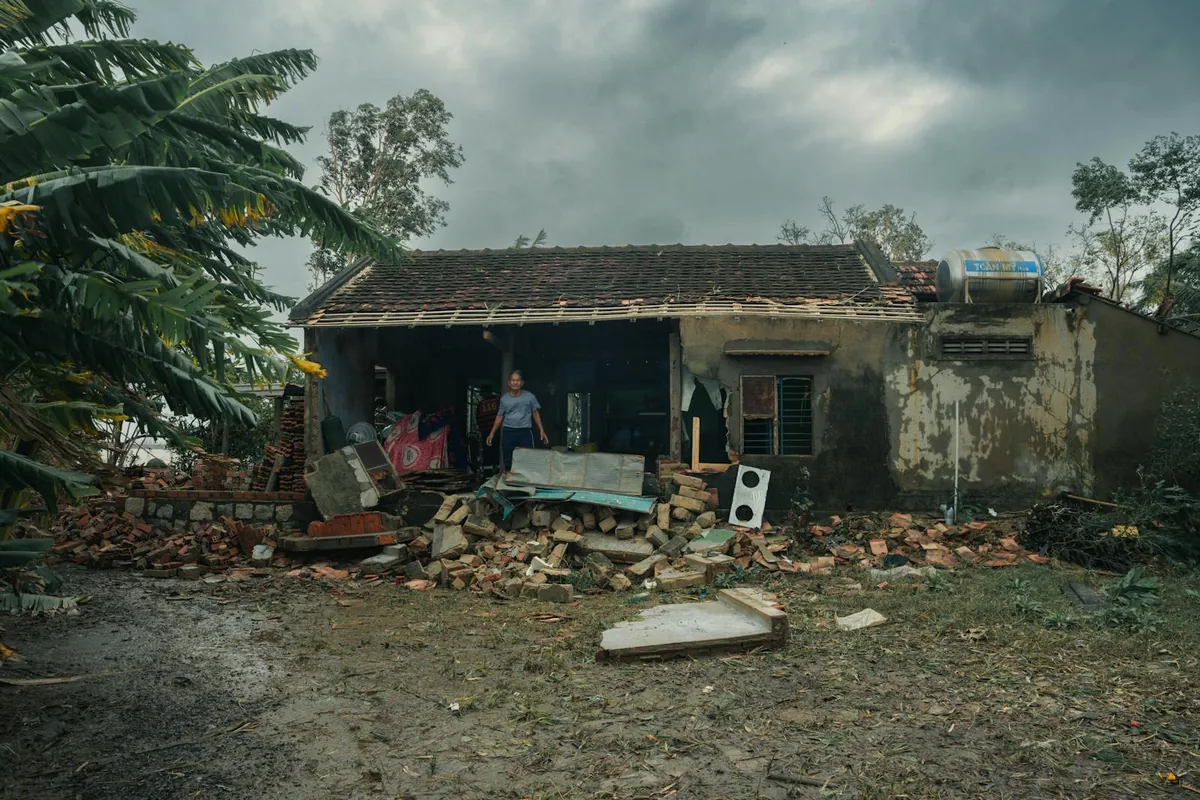
When should you start storm season prep?
Late spring — May for most of the US, April for the Southeast. You want everything done before the Atlantic hurricane season ramps up (June 1) and well ahead of the Midwest’s August–September severe weather peak.
I block off two weekends in May on my calendar. Saturday is exterior, Sunday is interior. Total cost runs $150–400 in supplies, hours of effort, and saves potentially tens of thousands in damage.
Gutter cleaning — why it’s the #1 priority
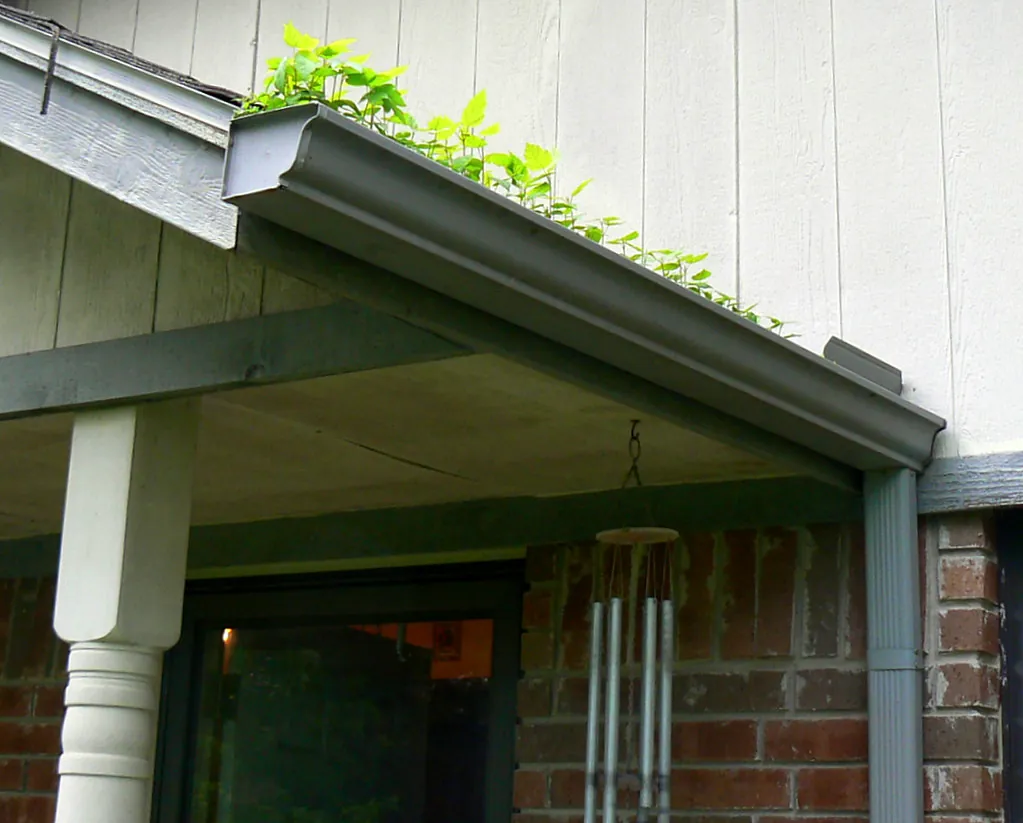
Clogged gutters are the leading cause of basement water damage during heavy rain. Water that can’t flow through gutters overflows back toward the foundation, finds the path of least resistance, and that path is your basement wall.
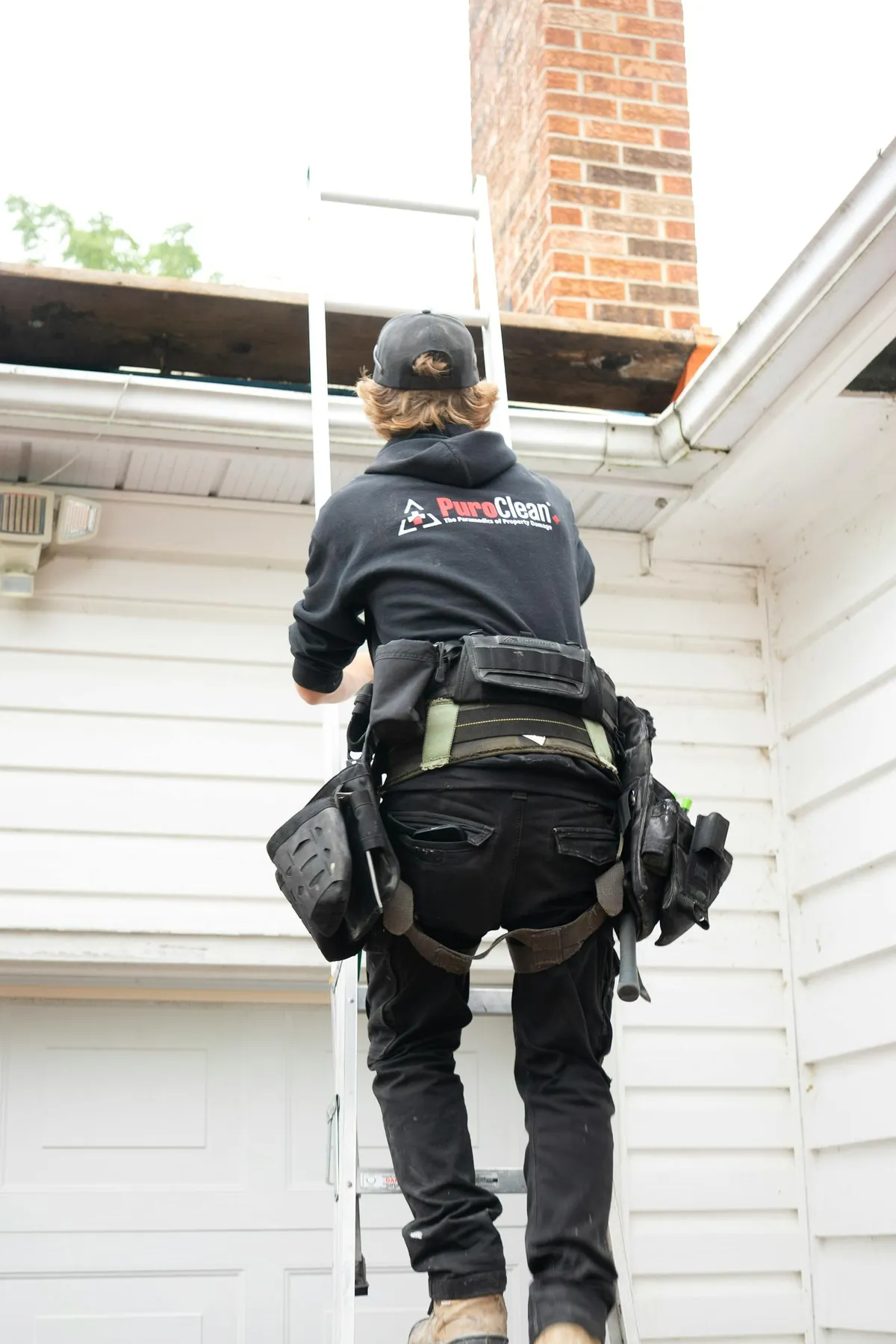
Either clean them yourself (ladder + gloves + leaf blower, about 90 minutes for a typical home) or hire it out ($150–300). I do mine in mid-May after the maples finish dropping seeds.
How do I know if my sump pump will actually work in a real storm?
Test it. Pour a 5-gallon bucket of water into the sump pit. The pump should kick on automatically within 30 seconds and drain the pit within 2 minutes.
If it doesn’t, replace it. A new sump pump runs $150–250 at Home Depot. A flooded basement runs $5,000–25,000 in damage. The math is obvious.
What about a backup sump pump?
If you’ve ever lost power during a storm and watched your basement fill up, you’ll never doubt this again. Battery-backup sump pumps run $250–450 installed. Water-powered backups (run off your home’s water pressure) are $300–500 and work even with no power.
After my 2022 flood, I installed a battery backup that very weekend. Worth every penny when we lost power for 11 hours during a 2024 storm.
Roof and shingle inspection
Walk the perimeter of your house with binoculars. Look for: missing or curling shingles, exposed nail heads, sagging spots, debris stuck in valleys, and tree branches touching the roof.
Trim any branches within 6 feet of the roof. Trees coming down on the roof during a wind event is the #1 hurricane-season insurance claim in the Midwest.
How do I prevent basement mold during storm season?
Three things: a quality dehumidifier running 24/7 in humid months, sealed-up cracks in the foundation, and good ventilation in any below-grade space.
A 50-pint Frigidaire or GE dehumidifier ($229 at Lowe’s) keeps a 1,500 sq ft basement at 45–50% humidity all summer. Mold needs 60%+ humidity to grow.
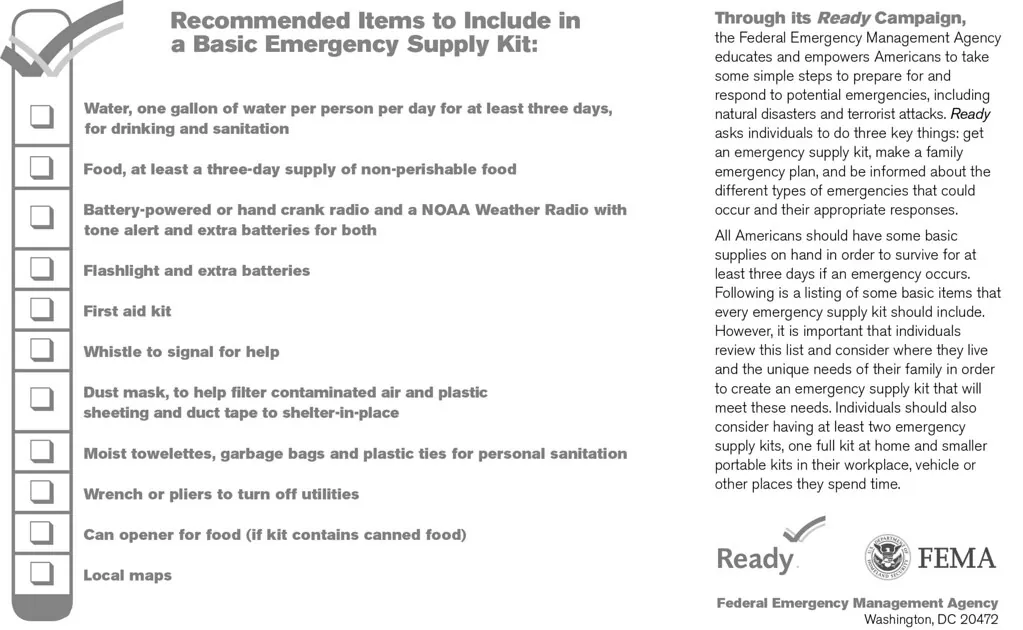
What’s in my storm preparedness kit?
- Flashlights + batteries (3 minimum, one per floor)
- Battery-operated weather radio
- 1 gallon of water per person per day, 3 days minimum
- Non-perishable food for 3 days (canned soup, peanut butter, crackers, granola bars)
- First aid kit (the $25 Red Cross one is plenty)
- Phone chargers + a portable power bank
- Cash ($200 in small bills — ATMs don’t work without power)
- Important documents in a waterproof folder
- Pet food and bowls (3 days for Bailey)
I store this in a Rubbermaid tote in the basement, replace water and food annually in May.
How do I waterproof the basement before a storm?
Walk the perimeter looking for cracks, white powdery residue (efflorescence — sign of past water), or damp spots. Seal small cracks with hydraulic cement (under $20 at Home Depot). For larger problems, call a basement waterproofing company.
Also: extend downspouts at least 5 feet from the foundation. A $12 plastic extender at Home Depot saves thousands.
What’s the best generator for an average US home?
For Columbus-style power outages (4–24 hours), a portable inverter generator like a Honda EU2200i ($1,099) handles fridge + a few lamps + chargers. For longer outages or whole-home backup, a standby Generac ($4,000–8,000 installed) is the upgrade.
Renters: a portable power station (Jackery 1500 or EcoFlow Delta 2) runs $1,200 and powers a fridge for 12+ hours, no installation.
How do I protect outdoor stuff before a storm?
Patio furniture, grills, plants, kids’ toys — anything that can fly becomes a projectile in 60+ mph winds. I have a 30-minute storm prep routine: bring smaller stuff inside, anchor or stake larger items, secure trash cans.
If you have a fenced backyard like ours, even small items can damage the fence or break windows when the wind picks them up.
What about insurance review?
Once a year, look at your homeowners policy. Two specific things to check: flood coverage (most standard policies DON’T cover flooding — separate FEMA policy required), and dwelling coverage limit (should match current replacement cost, not original purchase price).
I increased my dwelling limit from $280K to $385K in 2024 after a quick review. Cost: $14/month more in premium. Saved me $50K+ of exposure if the worst happens.
FAQ
How often should I test my sump pump?
Every spring at minimum, and ideally every 3 months. Takes 5 minutes with a bucket of water. Don’t wait until a storm to find out it’s broken.
Does homeowners insurance cover hurricane damage in the Midwest?
Wind damage from hurricane remnants, yes. Flooding, no — that’s separate. After 2024’s remnant storms hit Ohio, a lot of people learned this the expensive way.
Is a battery backup sump pump worth the cost?
If you’ve ever had standing water in your basement, yes. If you live on a hill in the desert, probably not. For most US homes east of the Rockies, yes.
What’s the most overlooked storm prep item?
Tree trimming. Falling branches cause more roof and window damage than anything else in moderate-wind storms. Pay $200–400 for professional trimming every 2–3 years.
Can I do storm prep on a $200 budget?
Yes — focus on gutter cleaning (free if you DIY), downspout extenders ($12), sump pump test (free), and emergency kit ($60). That’s the high-ROI 80% covered.
Summing Up!
Storm prep isn’t sexy and you’ll never get applause for it — until the day a storm hits and you’re the only family on the block without a flooded basement. Then you’ll thank yourself.
Make a two-weekend habit of it every May. Test your sump pump, clean gutters, trim trees, stock the emergency kit, and check insurance. For energy resilience during outages, see my electric bill guide — energy efficiency reduces the impact of long outages too.
